Let's name the problem clearly
You can touch yourself and feel almost nothing. Maybe you've been at it for years. Maybe it's new. Either way, that absence of sensation is maddening because pleasure is supposed to be there, and you know that in your head even if your body isn't cooperating.
Clitoral numbness happens to more people than you'd think. It's not a sign that you're broken or that your capacity for pleasure is gone. It's usually a signal that something specific is happening physiologically or psychologically. The good news is that numbness responds to reset.
What actually causes clitoral desensitization
Think of your clitoris like a busy intersection. Too much traffic in one direction, and the whole system gets overstimulated. When that happens repeatedly, the nerve endings stop registering signals the same way.
Masturbation patterns create habit. If you've spent years using the same pressure, same rhythm, same spot, your nervous system gets used to that input. It stops feeling as intense because your brain filters out repetitive signals. This is called sensory adaptation, and it's not a personal failing. It's neurobiology.
Certain medications numb sensation. Antidepressants (especially SSRIs), blood pressure meds, antihistamines, and even some hormonal contraceptives can reduce clitoral sensitivity. If numbness started after you began a new medication, that's worth discussing with your doctor. Sometimes a dose adjustment or timing change helps.
Hormonal shifts matter. Estrogen affects tissue thickness and nerve sensitivity. Pregnancy, menopause, hormonal IUDs, and even progesterone-heavy birth control can shift how your clitoris responds. Lower estrogen can feel like numbness because the tissue itself is thinner and less engorged.
Anxiety and disconnection do real work. When you're stressed, dissociated, or in a relationship where touch feels unsafe, your nervous system literally downregulates sensation. The body protects itself by dampening feeling. This is protective but exhausting.
Overuse of vibration creates a specific problem. If you've been using the same high-intensity vibrator for years, your clitoris adapts to that specific pattern. Other forms of touch start to feel too gentle or completely different to register.
Why air-suction vibrators work differently
This is where a lemon vibrator (or any air-suction style clitoral vibrator) becomes useful in ways that traditional bullet vibrators don't.
Air-suction technology doesn't work through direct friction or buzz. Instead, it creates a gentle pulse of pressure and release. This stimulates deeper nerve structures beneath the clitoral surface, which is crucial when the surface has gone numb from overstimulation.
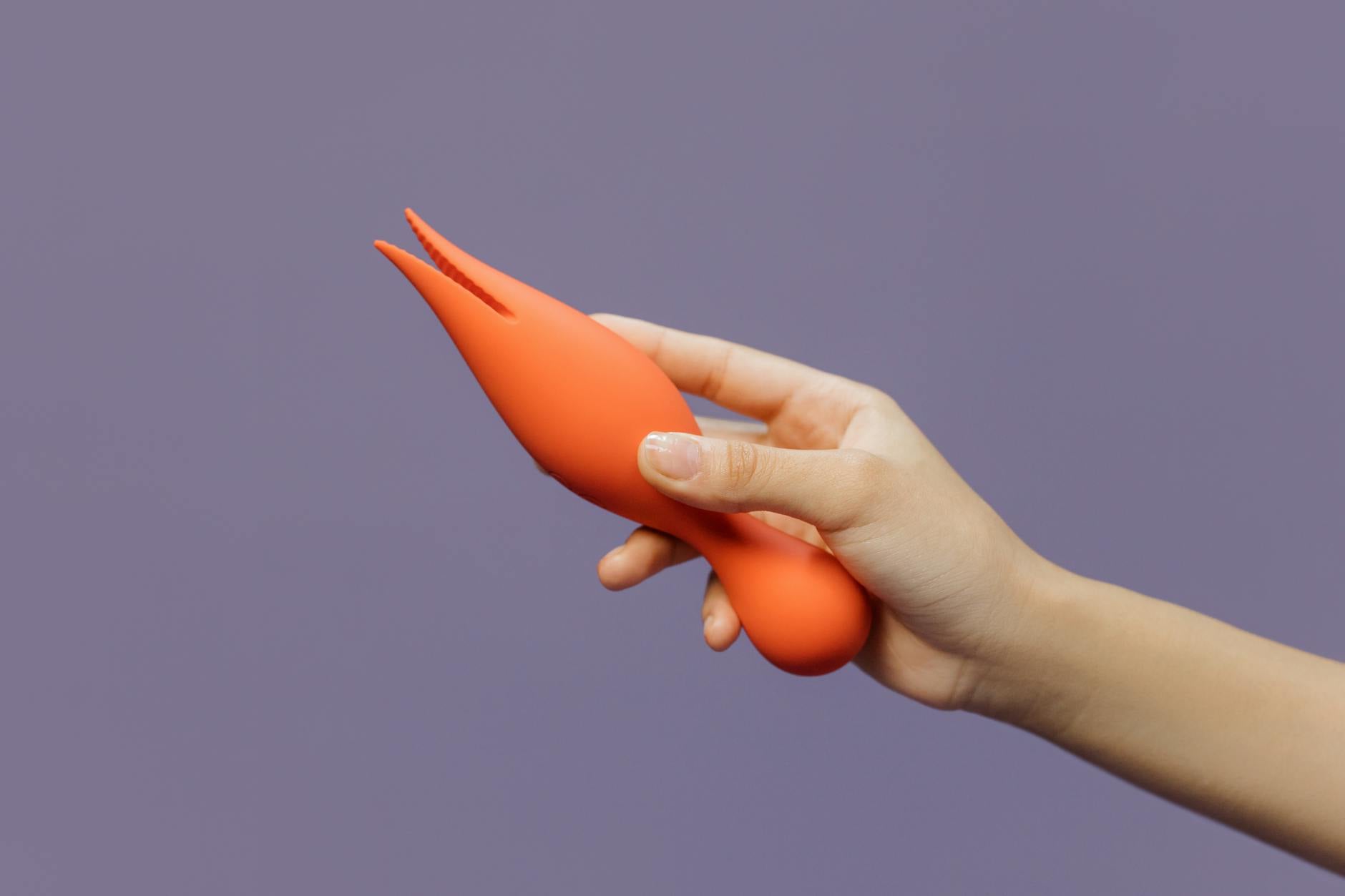
The Lem vibrator and similar lemon clitoral vibrators use this principle. You place the tip over your clitoris (no insertion, no penetration), and the suction and release pattern activates different nerve pathways than you've probably been using. It feels genuinely novel, which is exactly what your nervous system needs when it's stuck in a rut.
This novelty is therapeutic. Your clitoris has been getting the same signal over and over. A new kind of stimulation wakes up dormant nerve endings.
The reset protocol: how to rebuild sensation
If you want to use a lemon clitoral vibrator to move past numbness, here's what actually works.
Step one: take a break first. I know that sounds punishing, but it's the fastest reset. Two to four weeks without masturbation or penetration allows your nerve endings to metabolically recalibrate. This is uncomfortable advice, but it works. You can return to partnered sex (without self-touch focus), but solo stimulation needs to pause.
Step two: start with the lowest setting. Many people skip this and go straight to intensity because they think they need more sensation. Actually, the opposite is true. Start on pattern 1 or 2 of the Lem vibrator. Your goal isn't orgasm right now. Your goal is to feel anything different.
Step three: use it briefly and infrequently. Five to ten minutes, twice a week maximum. Stop before you'd normally feel frustrated. This trains your nervous system to anticipate stimulation rather than chase it.
Step four: vary your touch outside the toy. Your clitoris needs to relearn that sensation comes in different forms. Use fingers (no vibration), use warm water in the shower, use light pressure. Alternate between the toy and these other textures. Variety is how you rebuild sensitivity.
Step five: get curious instead of goal-focused. If you're masturbating to reach orgasm, your body stays in achievement mode. Instead, use the lemon vibrator to notice: Is there a small tingle? Does one pattern feel different from another? Can you feel the difference between the toy and your hand? These micro-sensations rebuild your proprioception.
The medication and hormone angle
If you're on an SSRI or similar medication, talk to your prescriber about timing. Some people find that taking their antidepressant at night rather than morning improves daytime sensation. Others add a second medication to counteract sexual side effects. This is a legit medical conversation.
If you suspect hormonal contraception is the culprit, ask about switching methods. Non-hormonal IUDs, copper options, or even condoms with spermicide (lower hormone load than many pills) might restore sensation. This takes time to assess, but it's worth investigating.
For menopause or perimenopause related numbness, topical estrogen creams applied directly to the vulva can help. They have minimal systemic absorption and often restore sensation in weeks. This is different from hormone replacement therapy and is worth asking your doctor about if you're over 45 and noticing changes.
How to use a lemon sucker vibrator with a partner
If you're rebuilding sensation while in a relationship, communication matters. Your partner doesn't need to understand the neurobiology. They do need to know:
- Sensation is returning slowly. Orgasm might not happen on this timeline.
- You need them to be patient with the process.
- You're not rejecting them. You're recalibrating yourself.
Some people find it helpful to bring the lemon clitoral vibrator into partnered sex earlier rather than later, because it reintroduces novelty in a shared moment. Others prefer to rebuild alone first. There's no wrong way.
If your partner feels insecure about the toy, redirect to how to use a lemon vibrator when your partner wants to explore together but feels awkward. That's a different conversation from numbness itself.
When numbness signals something bigger
Clitoral numbness that won't budge after four to six weeks of reset work might point to something else. Peripheral neuropathy, previous injury, diabetes affecting nerve function, or pelvic floor dysfunction can all create numbness that a vibrator alone can't fix.
Also pay attention: is the numbness emotional or physical? If you're in a relationship where touch doesn't feel safe, or if you're disconnected from your body due to trauma, numbness is a protective response. A lemon vibrator helps with physiological desensitization but not with emotional safety. That's therapy territory.
How to use a lemon vibrator when you feel disconnected from your body addresses the psychological side more directly.
The timeline you should expect
Most people notice micro-sensations returning within two to three weeks of consistent reset protocol. Full sensitivity can take six to twelve weeks, depending on how long the numbness has been present and what caused it.
Don't benchmark yourself against someone else's timeline. Your clitoris has a learning curve. Honor that.
Frequently asked questions
Can I use a lemon vibrator every day to build sensation back faster?
No. Overuse recreates the original problem. Your nervous system needs rest to recalibrate. Two to three times per week is the ceiling. Many people find once or twice weekly is optimal.
Does numbness mean I'll never orgasm again?
Absolutely not. Orgasm and sensation are related but different. People with complete clitoral numbness can still orgasm with the right psychological setup and enough time. It might feel different when sensation returns, but the capacity doesn't disappear.
Should I switch to the Lem vibrator specifically or is any lemon clitoral vibrator okay?
Any quality air-suction vibrator works. The Lem is one option. What matters is that you're using a different stimulation pattern than whatever caused the numbness initially. If you've been using a traditional vibrator, switching to air-suction helps. If you've been using suction, switching to gentle vibration helps.
What if my partner notices I'm using a vibrator and gets upset?
This is about their insecurity, not your healing. Using a toy to rebuild sensation is medical self-care. If they can't support that, that's a relationship conversation worth having. Some partners feel threatened. Others become more interested once they understand the goal. But your sensation recovery doesn't depend on their comfort.
Can stress actually numb my clitoris that much?
Yes. Chronic stress, anxiety, and hypervigilance literally reduce blood flow to the vulva and downregulate nerve sensitivity. If you're in a stressful period, add stress-reduction to your reset protocol. Yoga, breathing work, therapy, whatever works for you. Your nervous system will thank you.
Is numbness permanent if it's been going on for years?
Rarely. Even after years of numbness, sensation returns with intentional reset. The pathway is still there. It's just quiet. Consistent, patient work wakes it back up.
The bottom line
Clitoral numbness is fixable. It usually needs a combination of the right tool (like a lemon clitoral vibrator), the right protocol (rest, then low-intensity reset), and sometimes the right medical conversation (medication timing, hormone levels, pelvic floor assessment).
Your body remembers how to feel. Sometimes it just needs permission to slow down and relearn.