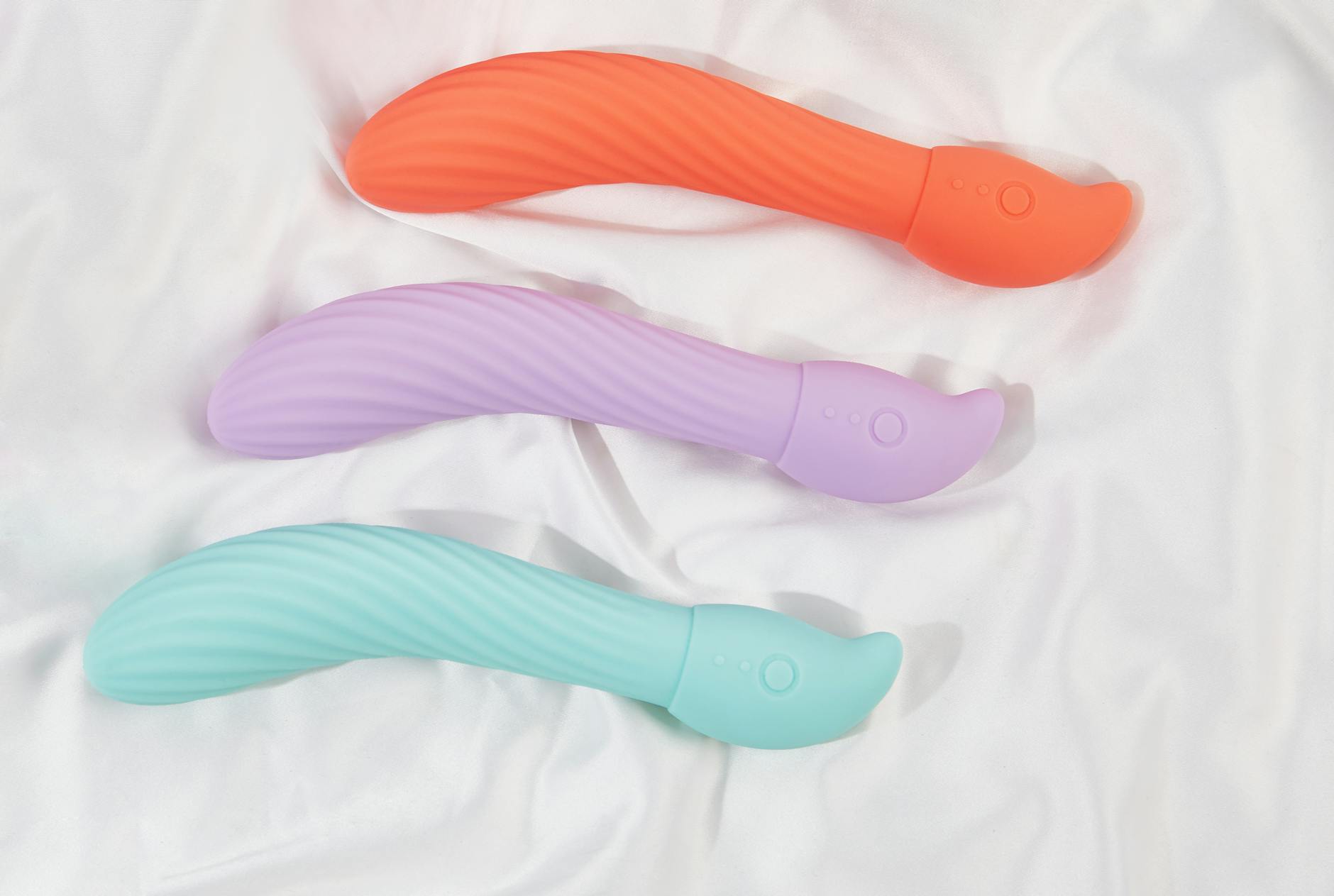
When stress steals the desire you know you're capable of
Here's the thing about desire disappearing: it doesn't mean you're broken. It means your nervous system has been hijacked by survival mode. Work deadlines, parenting stress, relationship tension, grief, financial pressure. These things don't just occupy your mind. They colonize your body, shifting blood flow away from pleasure and toward vigilance.
So your lemon vibrator sits in the drawer because reaching for it feels like pretending. And I get that. The problem is waiting around for desire to spontaneously return is a losing game. Desire doesn't always come first. Sometimes arousal has to prime the pump.
The neuroscience of desire under stress
When you're chronically stressed, your cortisol stays elevated. High cortisol literally suppresses the production of sex hormones and dampens dopamine sensitivity. Your brain's reward pathways get quieter. Sex, which should feel amazing, feels like another task on a to-do list.
But here's what doesn't change: your body's capacity for pleasure. Your clitoris still has eight thousand nerve endings. Your ability to orgasm is still there. What's missing isn't capacity. It's access.
A lemon clitoral vibrator works differently than your fingers or a standard vibrator because it uses air-pulse suction. That pattern of pressure and release can actually interrupt the stress loop. It gives your nervous system something very specific to focus on. A novel sensation that's not painful, not demanding, just intense enough to pull your attention away from the spreadsheet or the argument that happened last week.
Starting small when motivation is zero
When desire is low, the worst thing you can do is pressure yourself to have sex. The second worst is pretending you need a whole evening. You don't.
Set aside ten minutes. Not thirty. Not an hour. Ten minutes with zero expectation of an orgasm. This is not about performance. It's about reintroduction.
Clear one small space. Your bed, a chair, anywhere you can be alone and comfortable. You don't need to light candles or play music unless you genuinely want to. Overthinking the setup is another form of pressure.
Apply water-based lubricant first. When stress has flattened you, natural lubrication often disappears. Lube isn't a sign something is wrong. It's a tool that removes friction, literally and metaphorically. With stress and diminished arousal, your tissues need it.
Start your lemon vibrator on pattern one, the gentlest setting. Touch yourself externally only. Explore the sensations without agenda. This is almost meditative. The suction pattern is rhythmic. Your job is to notice it.
If nothing happens in ten minutes, stop. That's fine. You did the thing. You reintroduced your body to pleasure without shame or pressure. Do this three or four times before expecting anything else.
Moving toward arousal when desire is still sleeping
After two weeks of low-pressure exploration, you might notice something shift. Maybe the sensations feel more intense. Maybe you're thinking about it during the day. Maybe you're still numb and that's okay too.
If you feel even a flicker of interest, extend your time to fifteen minutes. Add a second element. Maybe it's reading something that interests you sexually. Maybe it's a memory of good sex. Maybe it's a fantasy you haven't thought about in years. The lemon vibrator becomes the second part of that focus.
Many of my clients find that when stress has flattened their desire, fantasy is the fastest route back. Your brain creates arousal before your body does. So permission to think about what turns you on is often the missing piece.
If you have a partner, you don't need to tell them anything yet. This is solo exploration. The goal is you rediscovering your own capacity for pleasure, not performing pleasure for someone else.
When you're cycling back to partner pleasure
Once solo pleasure feels accessible again, the temptation is to jump back into partnered sex immediately. Pump the brakes.
Stress doesn't evaporate just because you've had an orgasm. It's still there. And if your partner has been waiting for your desire to return, there's often an undertone of expectation. That pressure is exactly what killed desire in the first place.
If you have a partner, a conversation matters here. Not "I want to have more sex." Instead, "I've been stressed and disconnected from pleasure. I'm working on getting back there. I need some time and patience." Most partners understand that. Many feel relieved because they've been wondering if something is wrong with them.
Your lemon vibrator can absolutely be part of partnered pleasure. Many couples find that how to use a lemon clitoral vibrator with your partner during foreplay feels less pressured than traditional sex because the focus is on sensation, not performance. The toy does the work. You and your partner just experience it together.
Stress prevention and the pleasure maintenance protocol
This is the part people skip and then wonder why desire crashes again six months later.
Once you've climbed back to baseline pleasure, use your lemon vibrator regularly. Not as a rescue mission. As maintenance. The same way you'd go for a walk or do yoga when you feel stress building.
A fifteen-minute solo session once a week is enough to keep your nervous system from fully collapsing into survival mode. It keeps dopamine sensitivity up. It keeps your pathways to pleasure open. And honestly, it just feels good, which you deserve.
If stress predictably spikes at certain times (tax season, your kid's school year starting, winter), add a session or two during those weeks. You're not trying to force desire. You're maintaining the nervous system infrastructure that allows desire to exist.
When stress is clinical and desire doesn't return
If you've been using a lemon clitoral vibrator consistently for four to six weeks and you feel absolutely nothing, it's worth checking in with yourself about depression or anxiety that might need additional support. Stress-flattened libido usually responds to gentle reintroduction. Clinical depression or anxiety often doesn't.
If you're on antidepressants, this matters too. Some medications genuinely dampen sensation. If that's happening, your doctor has options. Don't just accept it.
And if your stress is rooted in your relationship itself, using a lemon vibrator is a Band-Aid. You might need to have a harder conversation with your partner about what's not working, or consider couples counseling. Pleasure can be a path back to connection, but it can't fix a fundamentally broken dynamic.
The permission you actually need
When stress steals your desire, the voice in your head says you should just push through. Work harder, have sex anyway, prove you're fine.
You're not fine. You're stressed. And the fastest way back to pleasure is to stop treating it as a performance metric. Your lemon vibrator exists to help you remember that pleasure is about receiving sensation, not achieving anything.
Ten minutes. No pressure. No goal. Just your body and a tool designed to feel good.
That's where desire lives again.