The sensation shift nobody warns you about
You start an antidepressant because you need it. It works. Your mood lifts, anxiety drops, you can breathe again. Then somewhere in week two or three, you notice something else: sex doesn't feel like it used to. Orgasms are harder to reach. Your vulva feels less responsive. Touch that used to spark something now registers as vaguely pleasant background noise.
This isn't your imagination, and it's not a sign the medication is wrong for you. This is a known, measurable side effect of SSRIs and many other psychiatric medications. And there are concrete ways to work with it, not against it.
What antidepressants actually do to arousal
Let's start with the neurobiology because it matters. SSRIs (selective serotonin reuptake inhibitors) like sertraline, paroxetine, and fluoxetine work by increasing serotonin in your brain. That's great for mood. But serotonin also has a dimming effect on the neurotransmitters that drive arousal and sensation.
Norpinephrine and dopamine are the chemicals that light up sexual response. More serotonin can mean less of those two firing. Additionally, SSRIs can reduce blood flow to the genitals, which means slower arousal, weaker orgasms, and less sensitivity to touch overall.
Other psychiatric medications do this too: SNRIs (serotonin-norepinephrine reuptake inhibitors), tricyclic antidepressants, and some antipsychotics. The sexual side effects are dose-dependent and individual. You might notice almost nothing. Your friend on the same medication might feel completely numb.
Why this matters and why it's fixable
Here's the critical part: you do not have to choose between mental health and sexual pleasure. That's a false binary. What you need is a recalibration strategy.
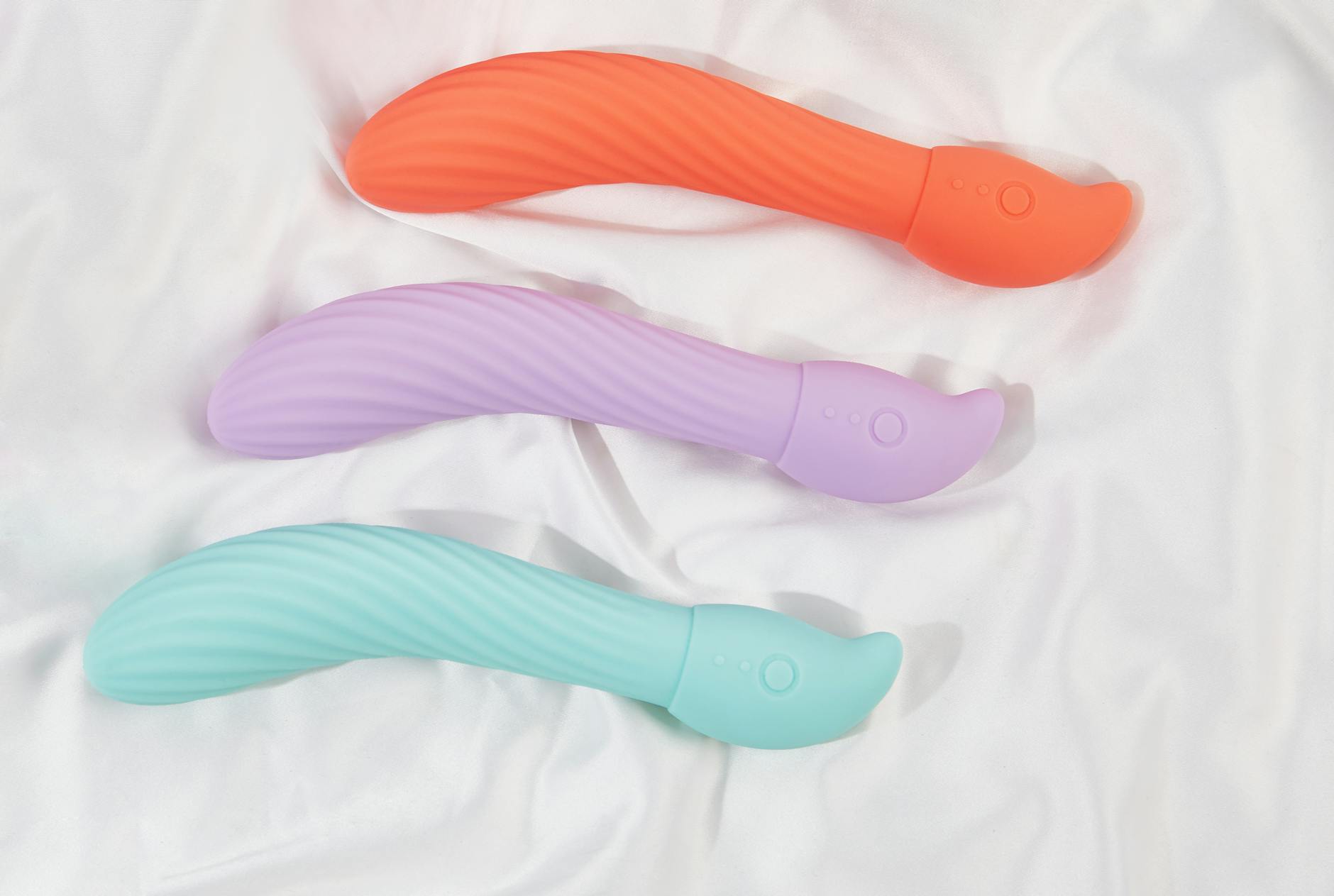
The problem with traditional vibrators when you're on an antidepressant is that they often rely on subtle sensations. A standard bullet vibrator's gentler patterns might not cut through the numbing effect. You're trying to feel something with a dampened nervous system, which is like turning up the volume on a song that's already playing too quietly. You get frustrated, you give up.
A lemon vibrator works differently. The suction-based technology of devices like the Lem stimulates the clitoral nerve tissue with a different mechanism entirely. Instead of surface-level vibration, suction creates a vacuum sensation that engages deeper nerve clusters. It's more intense, more sustained, and less dependent on the baseline sensitivity that antidepressants have dulled.
The practical shifts to make immediately
Start with communication, not hardware.
If you have a partner, tell them what's happening before anything gets weird. "The medication I'm taking has changed how my body responds to touch" is factual, not a criticism. It reframes the issue as a shared puzzle, not a performance problem.
Switch to a device designed for reduced sensitivity.
Try a lemon clitoral vibrator if you haven't already. The suction mechanism bypasses some of the subtle-sensation limitations that make other toys frustrating. The Lem, for example, uses air-pulse technology that works on a completely different principle than traditional vibration. It doesn't require you to already be highly aroused to feel something.
Extend your warm-up window.
Serotonin dampening means arousal takes longer to build. Budget 20-30 minutes instead of 10. This isn't a loss. This is permission to slow down and actually enjoy the process instead of rushing through it hoping something will happen.
Layer sensation types.
Use your lemon vibrator on multiple patterns. Start low and slow, which sounds counterintuitive when you're numb, but gives your nervous system time to register each input. Then move to medium intensity, then higher. You're building arousal gradually instead of trying to jump-start it.
Adjusting expectations around orgasm
One of the hardest parts of antidepressant-related numbness is that orgasm might feel different. Weaker. Less full-body. Delayed. Or it might take so long that your hand cramps and you give up.
This is temporary and changeable, but not immediately. Your nervous system needs time to recalibrate. Here's what helps:
Stop thinking of orgasm as the finish line. It might still happen, but it's not the only marker of good sex anymore. Pleasure, sensation, arousal, intimacy, connection. those are all legitimate endpoints. Some days the orgasm will come easily. Other days, you'll have a genuinely pleasurable experience that doesn't land in climax. Both are fine.
When you do use a lemon vibrator, experiment with staying with it longer. The suction builds gradually. Many people find that if they keep going past the point where they'd usually give up, sensation suddenly sharpens. The nerve tissue has caught up.
When to talk to your prescriber
If the numbing is severe enough that it's affecting your quality of life or relationship, bring it up at your next appointment. You have options:
Timing adjustments. Some people find that taking their SSRI at night instead of morning, or vice versa, shifts when the sexual side effects are strongest. You might have a window a few hours after dosing where sensation is closer to baseline.
Dose reduction. Not stopping the medication, but adjusting down slightly to find the dose where mood stays stable but sensation improves. This is something your provider can help you test.
Augmentation. Adding a second medication that counteracts the sexual side effects is common. Bupropion, for example, increases dopamine and can restore arousal. A small second dose taken before sex can help.
Medication switch. There are antidepressants with lower sexual side effects. Bupropion, mirtazapine, and some others don't have the same serotonin-driven dampening. If your current medication is otherwise working well, switching might not make sense. But if sexual function is tanking your wellbeing, it's worth discussing.
The role of lube when sensation is numb
You might think numbed sensation means you don't need lube anymore. Actually the opposite. Reduced genital blood flow means less natural lubrication, period. Adding external lube does two things: it makes physical contact easier (which matters when everything feels muted) and it creates a different sensation than dryness, which your brain registers as novel and interesting.
Water-based lube is safest with silicone toys. Apply generously. Reapply as you go. This isn't a sign something is wrong. It's just what your body needs right now.
Patience and recalibration
Here's the reality nobody mentions: it takes time. Your antidepressant might fully dial in your mood in three weeks. Sexual side effects often take months to stabilize, and sometimes they improve on their own as your body adapts. Some people find that after 6 months on the same dose, sensation slowly starts coming back online.
Your job in the meantime is not to white-knuckle through it or assume you're broken. Your job is to work with the nervous system you have right now, not the one you had before medication. A lemon vibrator, extended foreplay, lube, communication with a partner if you have one, and honest conversations with your prescriber give you a real toolkit.
Your mental health matters. Your sexual pleasure also matters. You don't have to trade one for the other.
People also ask
Can antidepressants permanently damage your ability to orgasm?
No. Sexual side effects from SSRIs and other antidepressants are reversible. They might persist for months while you're on the medication, but they don't cause permanent nerve damage or change your baseline sexual capacity. If you ever discontinue the medication (under medical supervision), sexual function typically returns to your baseline. Even while taking antidepressants, sensation and orgasm ability improve with recalibration strategies, better communication, and sometimes medication adjustments.
Is a lemon vibrator better than other vibrators for antidepressant-related numbness?
For many people, yes. The air-pulse suction mechanism works on a different principle than traditional vibration, which can make it easier to feel sensation when your nervous system is dampened. That said, everyone responds differently. Some people find that a high-power wand vibrator, a rabbit vibrator with multiple stimulation zones, or even a simple bullet on the highest setting works better for them. The key is that you need more intensity and a different sensation pattern than you might have needed before medication. Starting with a lemon clitoral vibrator is smart because the technology is uniquely suited to this problem.
Should I stop my antidepressant if the sexual side effects are too bad?
Absolutely not without talking to your prescriber first. Stopping an SSRI abruptly can cause serious withdrawal symptoms and mood crashes. But if sexual dysfunction is significantly impacting your wellbeing, that's a real medical concern worth addressing with your doctor. You have options: timing adjustments, dose changes, augmentation with another medication, or switching to a different antidepressant with lower sexual side effects. The goal is finding the medication that treats your depression effectively while preserving sexual function as much as possible. That's a legitimate conversation to have.
How long does it take for sexual side effects to improve?
It varies. Some people notice improvement within weeks of a dose adjustment or medication change. Others take 3-6 months on the same antidepressant for their body to adapt and sensation to improve naturally. If you're using strategies like a lemon vibrator, extended foreplay, and lube, you might notice better arousal and orgasm quality within days or weeks even while you're still on the medication. The point is: don't assume numbness is permanent. Give your body and nervous system time to recalibrate while you work with it.
Can you use a lemon clitoral vibrator with a partner if you're on antidepressants?
Completely. In fact, partnered use can help because another person can manage the device while you focus on sensation and arousal. The key is communication: let your partner know that you need longer warm-up time, that sensation feels different, and that you're using a different tool to help reclaim pleasure. This reframes the lemon vibrator not as a band-aid, but as part of a shared solution. Many couples find that once they stop treating reduced sensation as a failure and start treating it as a puzzle to solve together, intimacy actually deepens.
What if my prescriber says sexual side effects are just "part of the trade-off"?
That's not a full answer. Sexual function is part of your overall quality of life and wellbeing. A good prescriber will take this seriously and work with you to find solutions. If your current provider isn't willing to discuss medication adjustments, augmentation, or switching, you might ask for a referral to a psychiatrist who specializes in sexual medicine. You deserve mental health support that doesn't tank your sex life.