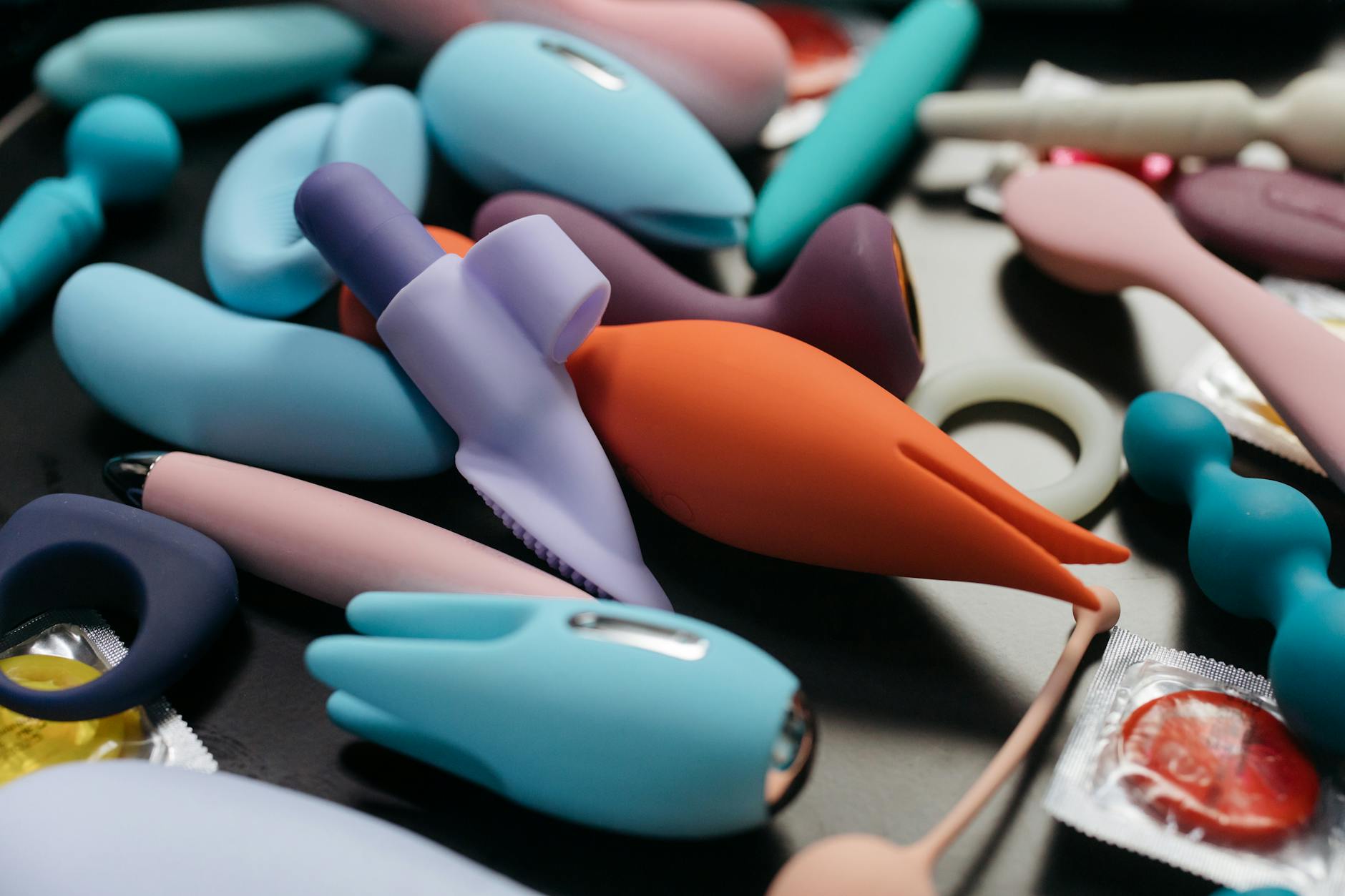
Here's the thing about foreplay timing
One of you is ready. The other needs twenty minutes. Neither of you is wrong, and the mismatch isn't a problem to fix. It's an opportunity to actually use foreplay the way it's supposed to work: as connection, not as a prerequisite you're rushing through.
Most couples treat the arousal gap like a medical problem. Someone's too fast, someone's too slow, one person sits around waiting while the other "catches up." But when you add a lemon clitoral vibrator into the equation, extended foreplay stops feeling like downtime and starts feeling like the whole point.
Why the timing mismatch happens in the first place
It's not laziness or lack of interest. Arousal literally works differently in different bodies. Women and people with vulvas, on average, need more time to build physical arousal. That's not a character flaw. It's biology. Vaginal and clitoral blood flow takes longer to peak, and mental arousal doesn't automatically translate to physical readiness the same way it does for some men.
The partner who's ready faster isn't impatient. They're just wired to activate differently. Neither timeline is wrong. But without tools or conversation, the gap becomes friction.
Here's what research actually shows: when both partners actively participate in foreplay using external stimulation like a lemon vibrator, arousal gap shrinks dramatically. Not because one person speeds up, but because the nervous system gets the sustained stimulation it needs to build to the same place at roughly the same time.
How lemon vibrators specifically help with extended foreplay
A lemon vibrator (or any air-suction clitoral vibrator) does something that hands alone can't sustain. It provides consistent, gentle stimulation for 15-30 minutes without fatigue, hand cramping, or the mental load of "am I doing this right."
The other huge advantage: it removes the pressure from the slower partner. When you're not lying there trying to "catch up" to someone else's timeline, your nervous system actually relaxes. Relaxation is the gateway to arousal.
For the faster partner, it's equally useful. You're not stuck in a holding pattern. You're engaged, present, and building intensity together. You can focus on kissing, touching, talking, and watching your partner's actual pleasure instead of monitoring a mental clock.
The foreplay setup that actually works
Start this conversation before you're in bed. Timing matters. "Hey, I've noticed we need different amounts of warmup time, and I don't want either of us stressed about it. I found something that might help both of us feel less pressure." That's it.
When you're ready, establish a timeline. Say you need 25 minutes for both of you to feel genuinely ready. Use the first 10 minutes for kissing, hands, skin contact. Whatever feels natural. This builds anticipation and gets the nervous system primed.
At the 10-minute mark, introduce the lemon vibrator. Start at the lowest setting. The partner using it doesn't have to do anything except relax and receive. The other partner can use this time for more kissing, touch on other erogenous zones, or simply being present and paying attention.
The key instruction: don't try to rush to orgasm. This isn't the goal phase. It's the building phase. Think of it as the foreplay itself, not a sprint toward penetration.
What patterns work best for extended sessions
If you're using a lemon vibrator during foreplay, rhythm matters more than intensity. Start at setting 1 or 2 on the Lem and stay there for several minutes. The body needs time to build arousal without getting desensitized. A slow ramp is better than a fast spike.
Rotate the angle every few minutes. The clitoris has different sensation zones. Top, sides, direct center. Moving the vibrator slightly changes which nerves are getting stimulated, which keeps sensation fresh and prevents numbness.
Take breaks. A 30-second pause every 5-10 minutes lets sensation reset and keeps anticipation alive. Your partner might touch you elsewhere, kiss your neck, whisper something. These pauses are where emotional intimacy sneaks in.
If orgasm happens, great. If it doesn't, that's fine too. The goal of extended foreplay isn't necessarily climax. It's synchronizing arousal and building connection. Many couples find that extended foreplay actually makes subsequent partnered sex more satisfying because both people are genuinely ready.
Communication during extended foreplay
Longer sessions require more feedback. Check in quietly. "How's this feeling?" or "Want me to change the pattern?" Sound obvious, but most couples skip this because it feels clinical. It's not. It's the difference between synchronizing and assuming.
If the person receiving the vibration needs intensity to change, they should say it. If they want more time, say it. If they're bored or overstimulated, that's useful data too. Extended foreplay only works if both people are actually present and choosing to be there, not going through the motions while watching the clock.
When extended foreplay is its own thing
Not every session has to end in penetration or any specific climax. Some of my couples use extended foreplay as a standalone experience. One partner uses a lemon vibrator for 20-30 minutes while the other focuses entirely on their pleasure. Then they switch. It's intimate, it's focused, and it completely removes the "catching up" dynamic.
This format also works brilliantly if one partner has less interest in penetrative sex or if one person wants more sensation time than the other can provide in a single session. You're not forcing your timelines to match. You're honoring them separately.
Real patterns from couples who've figured this out
One couple I worked with had a 15-minute gap. The slower partner was frustrated by the wait, and the faster partner felt guilty for being ready first. They started using a lemon vibrator once a week just for extended foreplay, no agenda. Six months later, they realized the pressure had completely dissolved. Even on nights without the vibrator, they felt less rushed because they'd proven they could match each other.
Another couple uses it differently. Their foreplay is 10 minutes, then they introduce the vibrator for 5-10 minutes during penetration itself. The external stimulation on the clitoris while they're connected means they both get to a similar arousal peak at the same time, which changes the quality of shared orgasm.
The pattern that keeps failing: "We'll use it as a quickfix to speed things up." Extended foreplay doesn't work if the underlying goal is still "get to the main event faster." The vibrator only helps if both partners actually want to expand the foreplay, not skip it.
The pleasure shift you'll notice
After a few sessions of genuinely extended foreplay, something shifts psychologically. The slow partner stops feeling broken. The fast partner stops feeling bored. You're not trying to perform a script. You're actually building arousal together at a pace that feels good for both people.
This is where couples report that sex feels less like a coordinated routine and more like actual connection. Extended foreplay with a lemon vibrator isn't about the tool. It's about permission to take time and attention on pleasure without rushing.
Frequently asked questions
Can you use a lemon vibrator during penetrative sex if one partner still needs more arousal?
Completely yes. Many couples keep a lemon vibrator handy during penetration specifically for this. The receiving partner gets clitoral stimulation while being internally stimulated, which often brings both partners to similar arousal peaks simultaneously. Start it before penetration, not during, so both people are ready.
What if the vibrator is too intense during extended foreplay?
Start at the absolute lowest setting and stay there longer than you think necessary. The Lem's pattern 1 is genuinely subtle. If that still feels intense, hold it slightly away from skin rather than directly on the clitoris, or use it over clothing. The goal isn't maximum stimulation, it's sustainable stimulation.
How long should extended foreplay actually last?
There's no formula. If one partner needs 25 minutes to feel genuinely aroused, that's the answer. Some people need 40. Some need 15. Use the vibrator for the portion where the gap is widest, not the entire foreplay. You might spend 10 minutes with hands and kissing, then 15-20 minutes with the vibrator, then transition to what's next.
Does using a vibrator during foreplay mean you'll need it every time?
No. Some couples use it weekly, some monthly, some only when they know one partner is particularly tired or less in the mood. It's a tool, not a requirement. The real benefit is that after a few sessions, the pressure lifts even on nights you don't use it.
What if my partner feels insecure about needing the vibrator?
This is about reframing. A lemon vibrator isn't a sign of failure. It's evidence that you both care enough about pleasure to problem-solve together. Most people with partners take longer to reach arousal. Using a tool that helps you both feel good isn't inadequacy, it's partnership.
Can you use a lemon vibrator for extended foreplay if you're not sure about penetration afterward?
Absolutely. Extended foreplay can be the main event. Some people use a lemon vibrator as part of a 45-minute intimate session that never becomes penetrative. That's not less sex, it's just different sex. If extended foreplay and clitoral focus satisfy both people, there's no rule saying you have to transition to anything else.