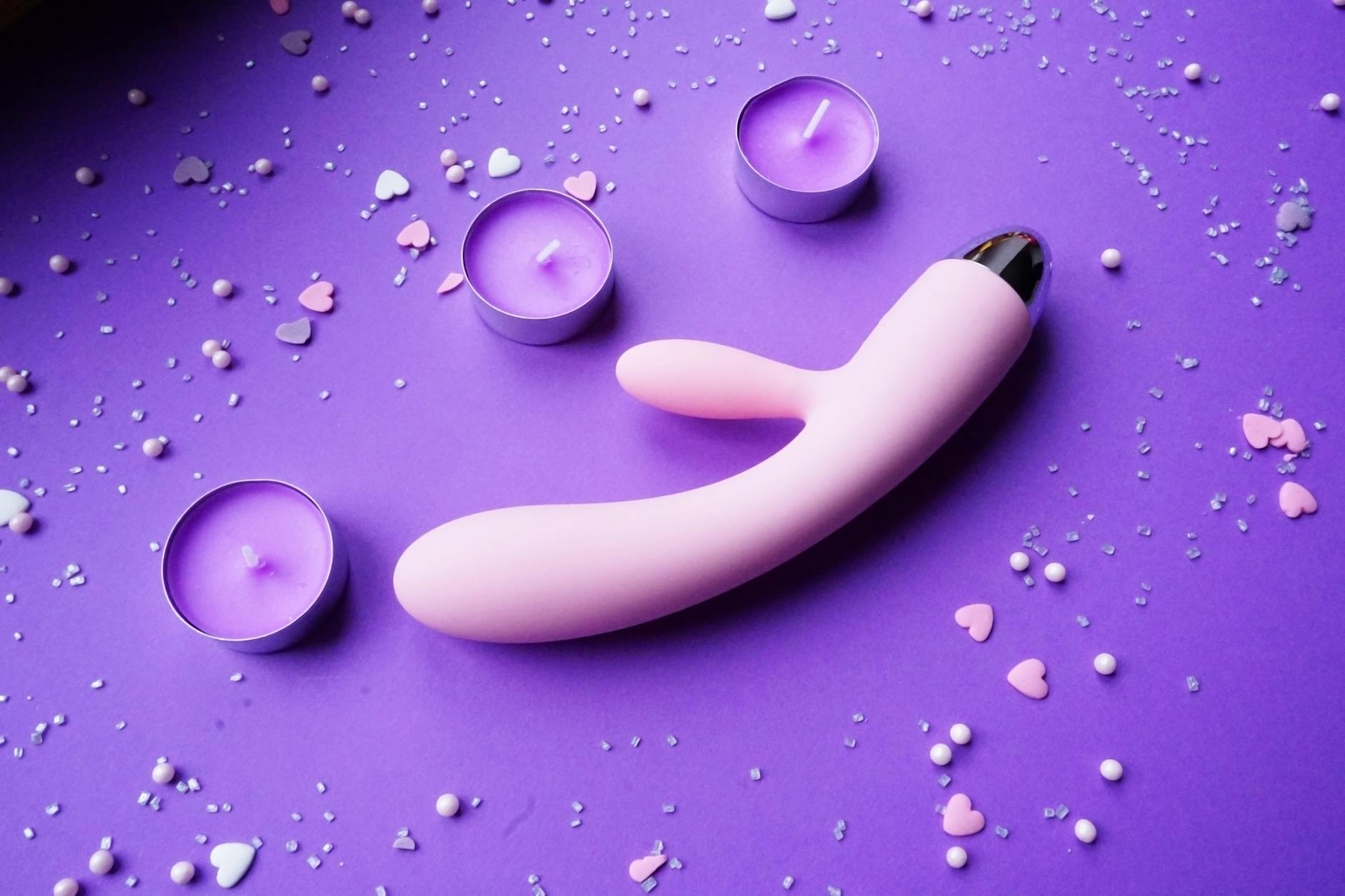
Let's start with the real thing
Vulvodynia and chronic pelvic pain aren't character flaws or signals that your body is broken. They're real conditions affecting real nerve endings. The good news is that pleasure and arousal aren't automatically off limits, and clitoral vibrators like our lemon vibrator can absolutely be part of your toolkit when you approach them the right way.
Here's the thing: vulvodynia exists on a spectrum. Some days are better than others. Some positions work; others don't. Some types of touch feel restorative, and others feel like an electric fence. A lemon clitoral vibrator's biggest advantage is that you control the intensity, duration, and exact stimulation pattern. That control matters when your nervous system is already in a heightened state.
Understanding vulvodynia and pelvic pain
Vulvodynia is chronic pain in the vulva that lasts three months or longer without an identifiable cause like an infection or skin condition. Provoked vulvodynia happens during or after touch (penetration, intercourse, using a toy). Unprovoked vulvodynia just shows up on its own. Many people experience both simultaneously.
The pain often sends a message to the brain that the area is under threat. Your nervous system responds by tensing the pelvic floor muscles, which actually intensifies pain. It becomes a feedback loop: pain triggers tension, tension amplifies pain. This is why relaxation and gentle stimulation can sometimes interrupt the cycle instead of worsening it.
Chronically painful pelvic tissue is also typically more sensitive to pressure and friction. A traditional vibrator's mechanical buzz can feel overwhelming or painful. Lemon vibrators work differently. They use suction and air-pulse patterns instead of traditional vibration, which distributes stimulation across a wider area without concentrated friction on one point.
When to use a lemon vibrator and when to wait
A lemon clitoral vibrator can be beneficial if you're in a period of relative stability (not actively flaring) and your pain is manageable that day. If you're in acute pain, a flare, or having a high-pain day, skip it entirely. Pushing through pain sends the opposite message to your nervous system that you want to send. You're not being lazy or afraid. You're being smart.
Start by checking in with your body. On a scale of zero to ten, where's your pain baseline today? If it's above a four or five, vibrators aren't the move right now. Gentle touch, rest, or heat may be what helps. If you're at a two or three and feeling curious, a lemon sucker might be worth exploring slowly.
Always get clearance from your gynecologist or pelvic floor physical therapist first. Some conditions benefit from vibrator use; others genuinely don't. A pelvic pain specialist will know your specific diagnosis and can guide you.
How to approach the lemon vibrator safely
Start with zero expectations about orgasm. That pressure alone can trigger pain or tension. Instead, you're exploring sensation and teaching your nervous system that this particular touch is safe and optional.
First, warm your body. Take a hot bath or shower for 15 to 20 minutes. Heat relaxes pelvic floor muscles and increases blood flow to the vulva, which actually reduces pain perception. Your nervous system is also more receptive to pleasure after warmth than cold tension.
Use a water-based lubricant generously. Even if you don't think you need it, lubrication reduces friction and allows the lemon vibrator's suction to work more effectively. Friction is one of the main pain triggers for vulvodynia, so extra lubrication isn't optional. It's foundational.
Start on the lowest pattern and lowest intensity. The Lem has multiple patterns. Begin at pattern one. Hover the vibrator near (not directly on) the clitoral hood at first. You're not looking for sensation. You're looking for the softest possible stimulation that feels neutral or slightly pleasant.
Keep a session short. Five to ten minutes is plenty. If something feels even slightly uncomfortable, stop immediately. No powering through. Discomfort is information.
Never use the vibrator during a flare or high-pain day. Use it only when you're stable and curious, not when you're desperate to feel normal again.
The role of pelvic floor relaxation
Most people with vulvodynia have tight, guarded pelvic floor muscles. The pain makes them clench. The clenching intensifies pain. Using a lemon vibrator can actually help interrupt this pattern, but only if your pelvic floor is relatively relaxed first.
Before using any vibrator, practice pelvic floor breathing. Breathe in for four counts, then exhale for six counts, deliberately relaxing your pelvic floor on the exhale. Do this for two to three minutes. Your pelvic floor doesn't know it's supposed to relax. You have to teach it.
If you're working with a pelvic floor physical therapist, ask them specifically about vibrator use. They might teach you internal release techniques to practice before external stimulation. This foundation changes everything.
When a partner is involved
Using a lemon vibrator with a partner when you have vulvodynia requires explicit communication and zero assumptions. Your partner might feel guilty about your pain or scared of hurting you further. That's normal and worth addressing directly.
Decide together on a pause signal that's not just "stop." Something like "yellow" means slow down or change pattern, and "red" means stop entirely. Your partner needs permission to back off without that feeling like failure or rejection. They're not rejecting you. They're respecting your nervous system.
Many partners worry that using a toy means they're failing you. Actually, it's the opposite. Exploring together shows you're both committed to pleasure that works for your actual body, not some fantasy version. That's intimacy.
What happens if it triggers pain
If a lemon vibrator triggers pain during use, stop immediately. Don't apologize to yourself or judge yourself for trying. Pain is feedback, not punishment.
Note what happened. Was it the pattern? The intensity? The location? The duration? Were you relaxed beforehand? Did you have enough lubrication? Writing this down helps you understand your own pattern rather than assuming "vibrators just don't work for me."
Wait at least a week before trying again, even if you're curious. Your nervous system needs time to reset from that signal. Then try one variable differently. Maybe a different pattern, or a shorter duration, or more lubrication, or a different time of day.
This isn't about forcing vibrators into your pleasure toolkit. It's about whether they can be helpful for your specific body. For some people with vulvodynia, the answer is eventually yes. For others, it's no, and that's completely fine. Your pleasure doesn't require toys.
When to seek additional help
If vulvodynia is new and you're not yet working with a specialist, get there now. Pelvic floor physical therapy is often more effective than anything you can do at home, including vibrators. A pelvic floor PT can teach you release techniques, address breathing patterns, and guide you toward what actually helps your nervous system.
If pain is worsening or spreading, if you're developing avoidance around all touch, or if depression or anxiety is intensifying around your sexuality, talk to a therapist or counselor who specializes in chronic pelvic pain. Chronic pain changes your relationship with your body and sexuality. You don't have to navigate that alone.
Your pleasure matters. Your body's safety matters more. That's not a contradiction. It's the foundation.
People also ask
Can I use a lemon clitoral vibrator if I have provoked vulvodynia?
Yes, but with careful attention to what specifically provokes pain. If penetration is your trigger, external clitoral stimulation like a lemon vibrator might be fine. If any touch triggers pain, wait until you've worked with a pelvic floor PT for several sessions. They can help you understand your nervous system's specific thresholds.
Does using a lemon sucker make vulvodynia worse long-term?
Not inherently. But if you're using it during high-pain days, or if you're pushing through discomfort hoping it'll feel better, that can reinforce pain patterns. Used gently and intentionally on stable days, a lemon vibrator doesn't worsen vulvodynia. It might actually help your nervous system learn that this touch is safe.
How is using a lemon vibrator different from other clitoral vibrators for vulvodynia?
Traditional vibrators use mechanical vibration, which concentrates pressure on a small area. That friction can be painful for vulvodynia. Lemon vibrators use air-suction patterns that distribute stimulation more widely and don't require friction. They're gentler on sensitive tissue, which makes them a better entry point if you're exploring toy use with pelvic pain.
What if my pelvic floor therapist says not to use a vibrator?
Listen to them. They know your specific condition and your nervous system's current state. Your PT isn't saying you'll never use a vibrator. They might be saying not right now, not this pattern, or not without first doing X release work. Follow their guidance. Pleasure will still exist when your foundation is stronger.
Can a lemon vibrator help with pelvic floor tension itself?
Sometimes, yes. Gentle stimulation can signal to your nervous system that the area is safe and can relax. But this works best in combination with pelvic floor breathing, physical therapy, and sometimes heat. A vibrator alone won't release chronic tension. It's one tool in a larger practice.
Is it okay to use a lemon clitoral vibrator if I haven't had sex in years because of vulvodynia?
Yes, if you're curious and your body is signaling openness. But check in with yourself honestly about motivation. Are you exploring because you genuinely want to, or because you feel pressure to "get back to normal"? Vulvodynia changes your normal. That's real, and pretending otherwise creates more pain. If exploration feels light and optional, try it. If it feels desperate or like a test, wait.