Let's name what happened
There's a particular kind of awkwardness that comes when you're trying to reconnect with your body after time away. Whether it was months of stress, medical recovery, a breakup, caregiving demands, or just life pressing down hard, the gap between then and now can feel enormous. Your body doesn't recognize itself. Sensation feels muted or almost foreign. You might feel disconnected, uncertain, or even a bit afraid of what you'll find when you try.
This is so common that I'd call it universal. And it doesn't mean anything is broken.
Why the gap creates physical distance
When you haven't engaged with pleasure intentionally for a while, a few things happen. Your nervous system stays in a more activated state. Your pelvic floor can tighten protectively, even if you're not consciously aware of it. Blood flow patterns shift. Touch sensitivity changes. Most importantly, your brain hasn't been reinforcing the neural pathways that connect touch to pleasure, so the signal feels slower, quieter, or just oddly muted when you try again.
This is completely reversible. You're not broken, and you're not starting from zero. You're building a bridge back.
Why a lemon vibrator works differently for this
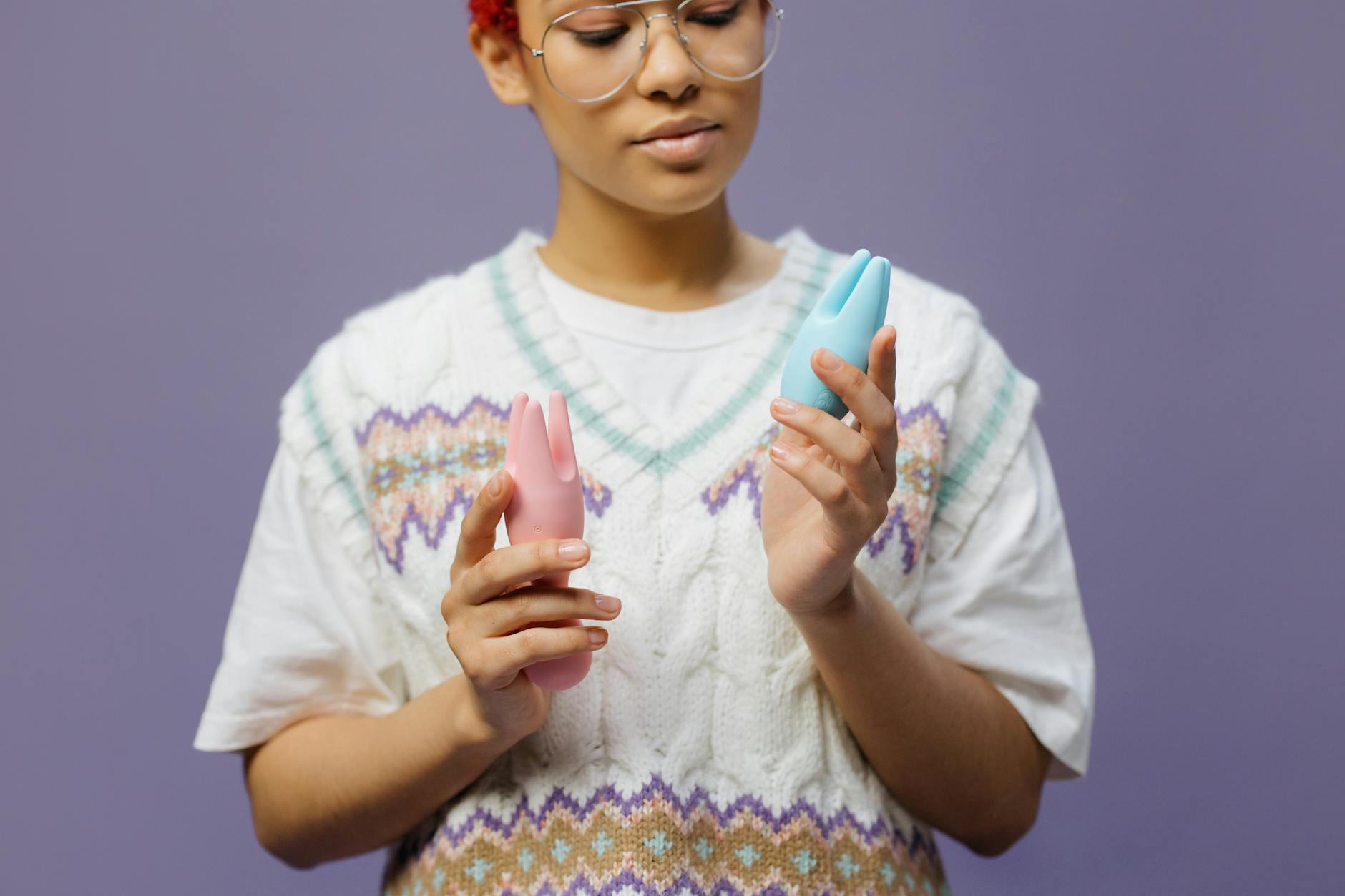
A lemon clitoral vibrator like the Lem operates through suction and pulsation rather than pure vibration. This matters when you're returning because it creates sensation without requiring you to have peak sensitivity right away. The suction stimulates deeper nerve clusters, which means you often feel something real happening even when your surface sensitivity is still waking up.
Unlike traditional vibrators that rely on speed and intensity to create feeling, a lemon sucker works by creating a gentle seal and releasing rhythmic pressure. Your body recognizes this as stimulation without needing to be at full capacity. It's like the difference between someone shouting at you and someone speaking directly into your ear. The second one lands even when you're distracted.
Starting with the mindset first
Before you even pick up your lemon vibrator, this part matters: you're not "getting back to normal." You're creating something new. Your body has changed. Your preferences might have changed. Your needs definitely have. Framing this as a return to something old sets up a failure narrative before you start.
Instead, treat it like an introduction. You're meeting your body again, not reclaiming lost time.
That shift in thinking changes everything. You stop expecting instant response and start noticing actual sensation. You stop comparing yourself to "how you used to be" and start paying attention to what feels good now.
The practical protocol for restarting
Here's what I recommend to clients rebuilding intimate connection:
Day one through three: sensation mapping only. Hold your lemon vibrator. Turn it on the lowest setting. Don't aim for pleasure yet. Just notice. Where do you feel it? Is it tingly, warm, intense, gentle, confusing? Spend five to ten minutes just mapping sensation. Your job is information gathering, not arousal building.
Week two: longer, slower sessions. Extend to fifteen to twenty minutes. This time, follow what feels interesting rather than what you think should feel good. If you want to stay on one spot for ten minutes, do that. If you want to move around, move. The lemon vibrator's suction pattern is forgiving. It works at whatever pace you give it.
Week three onward: adding intention. Now you can start thinking about arousal and pleasure as goals, but keep the pace gradual. Most people report that it takes about three weeks of gentle, consistent use before sensation really starts to come back online and pleasure feels accessible again.
Managing the emotional stuff that shows up
Honestly, the physical part is often easier than the emotional part. As sensation returns, sometimes so do feelings you've been holding at bay. Grief. Anger. Loneliness. Shame about how long it's been. Frustration that your body doesn't respond instantly.
This is all normal. Pleasure and emotion are routed through the same neural channels. You can't reconnect with one without the other showing up too.
If you're in a relationship, consider telling your partner what you're doing. Not as a confession, but as information. "I'm working on reconnecting with my body. It might take a few weeks. I need that space." Having someone who knows and respects that boundary makes the whole process feel less secretive and more intentional.
If you're single, journaling about what comes up as you reconnect can be surprisingly helpful. You don't have to make sense of it. Just notice it.
Troubleshooting the most common snags
Sensation feels completely absent. You're not broken. This is just part of the gap. Keep going with the lowest setting, longer sessions, and patience. Sensation returns gradually. Three to six weeks is typical before you feel significant change.
It feels too intense, even on the lowest setting. Your nervous system might still be in protection mode. Try using the lemon vibrator over underwear for the first few sessions. The fabric buffers intensity while your nervous system recalibrates. This is not weakness. It's smart adaptation.
You feel guilty or ashamed. This comes up especially if the gap was tied to relationship issues or if pleasure got coded as "bad" during the time away. This is worth naming to yourself: your pleasure is not taking anything from anyone. It's not selfish. It's maintenance. You'd do physical therapy if you broke your leg. This is nervous system physical therapy.
You're comparing yourself to how you used to be. Stop that when you notice it. Your body is not the same. That's not a problem. It's information. Meet this body, not the old one.
The lemon clitoral vibrator as a reintroduction tool
What makes the Lem or a similar lemon sucker useful for this specific situation is that it doesn't demand anything from you. It doesn't need you to be highly sensitive or turned on already. It creates stimulation that your body can respond to gradually. The suction pattern is soothing and grounding at low settings, which helps calm an activated nervous system while it wakes up sensation.
You're not forcing yourself back into pleasure. You're inviting it back in slowly, with tools designed to make that invitation feel safe.
When to consider talking to someone
If two months of gentle, consistent use brings zero sensation change, or if the emotional stuff that surfaces feels too big to carry alone, a sex therapist or counselor trained in somatic work can be genuinely helpful. There's no shame in that. Sometimes having a neutral person help you untangle the physical from the emotional makes the whole process faster and less lonely.
The goal isn't to be "back to normal." It's to have a relationship with pleasure that works for who you are now.
FAQ
How long does it actually take to feel sensation return when you've been away from intimacy for years?
Most people report noticeable change within three to four weeks of consistent, gentle use. Significant reconnection takes six to twelve weeks. Your timeline might be different based on why the gap happened, your age, medications, and how much time you're dedicating to this. Patient consistency matters more than intensity.
Is using a lemon vibrator alone while rebuilding intimacy somehow "cheating" if I'm in a relationship?
No. Reconnecting with your own body is foundational work, not infidelity. If your partner feels threatened by this, that's a conversation worth having. Many couples find that one partner's individual reconnection actually improves shared intimacy because there's less pressure and more actual readiness.
What if you have a partner and you want to rebuild together but you're embarrassed about how long it's been?
Start by separating the conversation from the activity. "I want us to reconnect physically, and I'm nervous about how long it's been" is different than jumping straight into sex. Give yourself permission to rebuild individually first if that feels safer. Shared vulnerability often comes after solo confidence.
Does medication affect how quickly sensation returns?
Yes. Antidepressants, blood pressure medications, antihistamines, and hormonal contraceptives can all muffle sensation. If you're on medication that might be affecting this, talk to your doctor. Sometimes switching timing (taking it after rather than before intimate time) helps. Sometimes a different medication in the same class works better. This is worth addressing directly.
Can you use a lemon clitoral vibrator if you have vaginismus or pain with touch?
Carefully and gently. Start with the vibrator turned off. Let your body get used to it being near. Then try it on the absolute lowest setting over underwear or clothing. If pain appears, stop and talk to a pelvic floor physical therapist. You might benefit from gradual desensitization work before using any vibrator. That's not a setback. That's smart sequencing.
What if sensation returns but arousal doesn't?
That's actually pretty common. You can feel touch without feeling desire yet. Keep going with sensation for a few more weeks. Arousal often lags behind sensation reconnection. If arousal stays absent after two months of consistent reconnection work, that might point to something else. Depression, relationship conflict, medication side effects, or just needing more time. A therapist can help you sort through which one.