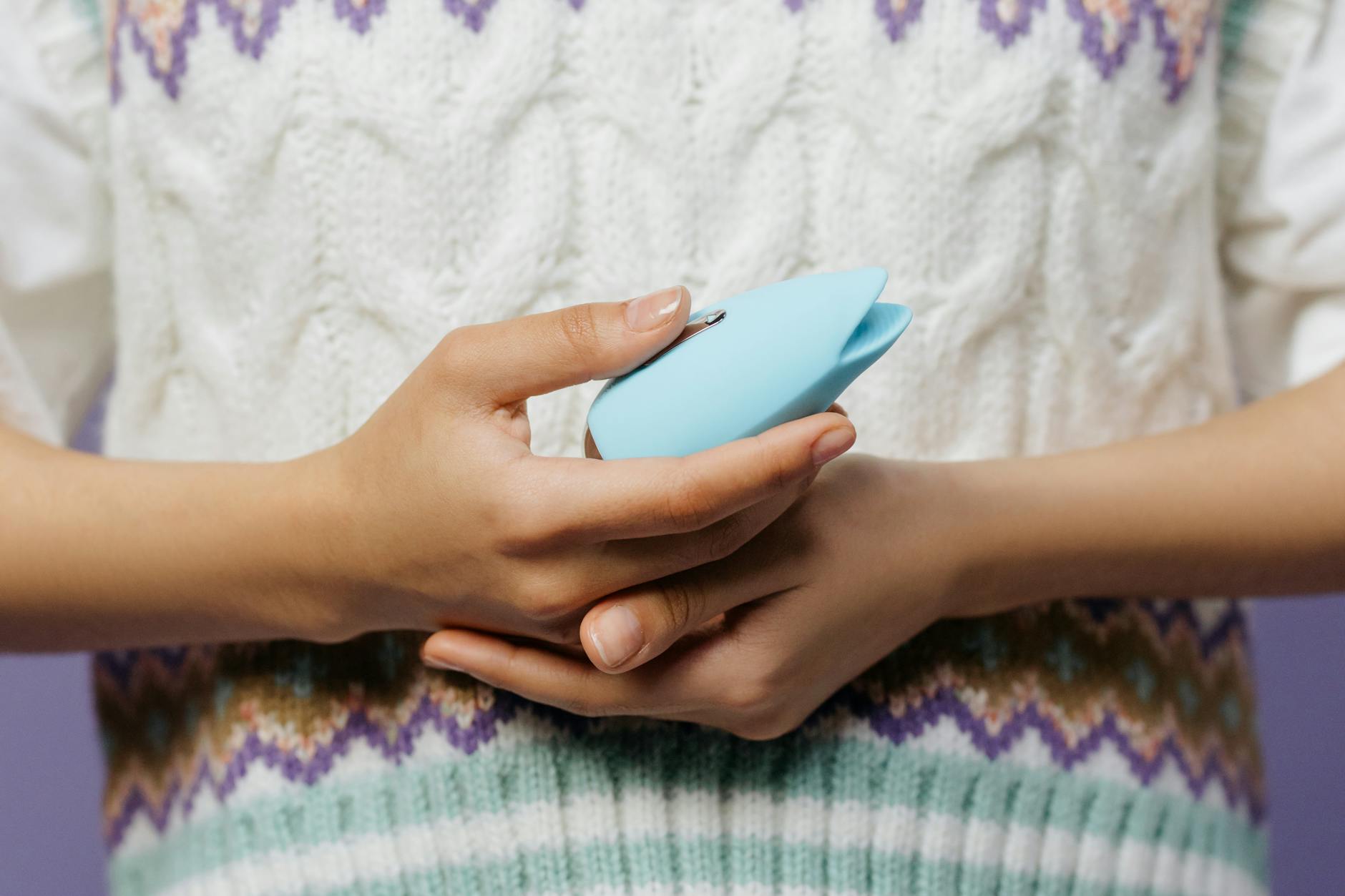
Let's be honest about this
You've finished treatment. The infection is cleared. But your body still feels like it went through something. That makes total sense. Physical healing takes time, and so does rebuilding trust in your own pleasure. Here's what I want you to know: you don't have to choose between recovery and sensation. A lemon clitoral vibrator can actually be part of that healing process, if you approach it the right way.
I've worked with many people navigating this exact transition. Most of them had the same question: "When can I start touching myself again?" The answer isn't medical (that's between you and your doctor), but the emotional and physical re-entry definitely matters. That's what we're covering today.
What happens to your body during and after treatment
Whether you've been through medication, topical treatment, or clinical care, your genital tissue has experienced inflammation, irritation, or chemical exposure. Even after the infection clears, the tissue itself is still recovering. Nerve endings may feel raw. Sensitivity can swing wildly between numb and hypersensitive. Your pelvic floor might be tensed defensively, protecting tissue that no longer needs protecting.
That tension is real and common. Your body learned to guard against discomfort, and it doesn't immediately unlearn that response once treatment ends. Pleasure during recovery isn't broken. It's just temporarily recalibrated.
The timeline: when to introduce sensation again
Check with your doctor first. Seriously. Most GPs or gynecologists will clear you for gentle self-touch within a week or two of finishing treatment, depending on the infection type and severity. Some will recommend waiting longer. Honor that guidance.
Once you have medical clearance, you don't need to wait for 100 percent symptom-free to start gentle exploration. In fact, easing back in with minimal stimulation often helps the nervous system understand that sensation can be safe again.
Why a lemon vibrator works particularly well during recovery
Three reasons a lemon sucker or Hello Nancy's clitoral vibrator design is smart for this phase.
Precision without pressure. The concentrated suction pattern on the Lem or other lemon-shaped vibrators targets the clitoris without the broad friction that can feel aggressive on tender tissue. You're not rubbing. You're gently stimulating through suction, which feels different and often less irritating.
Adjustable intensity. Start at the lowest setting. Most modern lemon vibrators (including Hello Nancy's options) have 5-8 speed levels. You control exactly how much sensation you receive. That control is crucial when you're rebuilding trust in your body.
Shorter sessions, deeper relaxation. Because suction is efficient, you don't need long stimulation to feel something. Five to ten minutes of gentle exploration is enough. Shorter sessions mean less tissue irritation and more mental clarity about what feels good versus what feels raw.
How to start: the first week back
Day 1-2: No toy yet. Just touch.
Wash your hands. In a warm bath or shower, spend five minutes exploring the external area with your fingers. No goal. No intensity. Just observation. What feels neutral? What feels tingly? What pulls up defensiveness?
You're not trying to get aroused. You're reintroducing your own touch to tissue that's been in medical mode.
Day 3-4: Introduce the vibrator on the lowest setting.
Make sure it's clean. Use water-based lube (never skip this during recovery). Turn on your lemon vibrator at level 1 and bring it near the clitoris without full contact first. Let the vibration be felt from a millimeter away. This is called "teasing" and it lets you gauge your tissue's response without direct pressure.
After 30 seconds, make light contact. Not pressing. Just touching. If nothing hurts and sensation feels curious rather than defensive, you can increase contact slightly. Total time: 3-5 minutes. That's it.
Day 5-7: Adjust speed or duration, not both.
If level 1 felt fine, try level 2. Or stay at level 1 but extend the session to eight minutes. Not both changes at once. Your nervous system is learning that pleasure is safe again, and gradual is how you build that confidence.
Common recovery scenarios and what to do
Scenario: Everything feels numb.
This is normal. Inflammation or medication can suppress nerve endings temporarily. Don't chase sensation with intensity. That's how people accidentally irritate healing tissue. Instead, shift to very slow, rhythmic patterns. Many people find that the suction action of a lemon clitoral vibrator (compared to a standard vibrator) actually wakes up numbness more effectively because the sensation pattern is different from what the nervous system has been guarding against.
Scenario: Certain spots feel hypersensitive or raw.
Your body is telling you exactly what it needs: gentler contact. Rotate which areas you stimulate. If the glans feels raw, focus on the labia or the hood. If suction feels too intense anywhere, ease back to level 1 or even just the vibration proximity trick (holding the toy close without contact). Numbness resolves in weeks. Retraumatizing tissue by pushing through rawness extends healing unnecessarily.
Scenario: You're not feeling aroused yet.
You might not be. Infection, medication, and the stress of treatment can flatten desire for weeks. That's not failure. Arousal typically returns when your nervous system feels safe again, not on your timeline. Keep the exploration gentle and goal-free. Arousal will come back. Forcing it creates more tension, not more pleasure.
Mental recovery matters as much as physical
Here's something I've noticed working with couples and individuals in this position: the shame often outlasts the infection. You might be physically healed but still carrying the story that your body failed you or that pleasure isn't safe. That's where self-compassion becomes your actual tool.
Using a lemon vibrator during recovery isn't just physical. It's an act of reclaiming agency. You're saying to your body, "I trust you again. I see you healing. Let's remember what pleasure feels like." That narrative shift is real and it matters.
If shame or anxiety comes up during exploration, pause. Notice it without judgment. Your body might need emotional processing as much as physical time. A therapist who specializes in sexual health can help if shame feels stuck.
When to revisit intensity
After two to three weeks of gentle sessions, if everything feels stable and sensation is returning to normal, you can gradually increase speed or duration. The rule is simple: one change per session. Speed up, but keep duration the same. Or extend time, but maintain speed.
Full recovery usually takes four to eight weeks, depending on the infection severity. That doesn't mean you can't have pleasure during that time. It means you're building pleasure back in layers.
A note about partners during recovery
If you have a partner, communication here is everything. Let them know you're re-entering sensation. You might want solo time first to rebuild trust in your own body without performance pressure. You might want them present but not involved. You might want to skip partnered sex entirely for a bit longer, even after you're physically cleared, because emotional safety takes its own time.
There's no wrong answer. What matters is naming what you need instead of pretending everything is fine when it's not.
The permission you might need
Your body isn't broken. Recovering from infection doesn't mean you've damaged your capacity for pleasure. A lemon vibrator during recovery isn't compensation. It's a tool that honors your healing journey while refusing to put pleasure on pause. You deserve both. Your body can have both. And that recovery is going to be gentler, more informed, and ultimately more sustainable when you approach it with patience rather than force.
People also ask
How long should I wait after treatment before using any vibrator?
Always check with your doctor first. Most medical professionals clear you for gentle external touch within one to two weeks of finishing treatment, depending on infection type and severity. When they give the green light for external stimulation, you're cleared for a lemon vibrator. Start conservatively. Level 1, five minutes maximum. Your body will tell you when it's ready for more.
Can I use the same vibrator I used before if it's been cleaned?
Yes, provided it was thoroughly cleaned (warm water and toy cleaner, not rubbing alcohol, which can dry tissue further). However, consider starting with a fresh toy if you're dealing with lingering psychological discomfort. Sometimes a new vibrator signals a fresh start mentally. If you love your existing lemon vibrator and it was disinfected properly, you're perfectly safe reusing it.
What if lube burns or feels uncomfortable during recovery?
Tissue can be sensitive to certain lube ingredients while healing. If water-based burns, switch to hypoallergenic formulas (look for fewer than five ingredients and no glycerin). If all lube feels irritating, you're likely still very early in recovery. Give yourself another week before trying again. Your tissue will tell you when lube feels soothing rather than stinging.
Is it normal to feel emotional during or after recovery sessions?
Completely normal. Your nervous system is shifting from protection mode back to pleasure mode. That can trigger relief, grief, anger, or just random crying. All of it is part of healing. If emotion feels overwhelming, pause. You can always come back to pleasure exploration another day. There's no timeline here except the one your body sets.
Can I have partnered sex before I'm ready for solo vibrator use?
General guidance: if a vibrator at level 1 feels too intense, partnered penetration will too. It's not about equipment. It's about tissue readiness. Your doctor might clear partnered sex before solo exploration feels comfortable for other reasons (performance anxiety, control needs), and that's valid. But if it's purely a tissue question, solo exploration with a gentle tool like a lemon vibrator is usually your best gauge of readiness.
Should I be concerned if my sensitivity feels permanently different?
Not necessarily. Infection and treatment can cause lasting changes to sensation, especially if the infection was severe or prolonged. That doesn't mean your pleasure is gone. It's recalibrated. Work with what your body is now. If change feels significant enough to affect quality of life, mention it to your doctor. Sometimes minor adjustments to recovery support (pelvic floor physical therapy, topical creams) can help.
Healing isn't linear, and neither is pleasure. Both take time. Both deserve patience. If you want to talk through your recovery journey or explore what tools might help, reach out. We're here for all of it.