Here's what nobody tells you about orgasm pressure
Your partner wants you to come. This is usually a good thing. But somewhere between their good intentions and your nervous system, something breaks. You stop feeling pleasure and start feeling performance. Your body tenses instead of opens. The whole thing becomes work.
This is orgasm pressure, and it's wildly common in long-term partnerships.
Why partner pleasure becomes your job
Most of us learned early that our worth is tied to someone else's satisfaction. In sex, that translates to: if your partner is happy, you're good. If your partner comes, you're successful. If your partner doesn't, that's somehow your fault.
Add years of consistent sex to that wiring, and your nervous system stops distinguishing between your pleasure and your partner's. Your arousal becomes performance. Your orgasm becomes proof. And proof is a terrible place to come from.
The irony is that the harder you try to orgasm for your partner, the less likely you are to actually have one. Orgasm requires a nervous system that feels safe and curious, not scrutinized. It requires the absence of stakes. When you're busy monitoring whether your partner is satisfied, whether the timing is right, whether you're taking too long, you're not in your body anymore. You're in your head, in your partner's head, and in the story you've both agreed to tell about what good sex looks like.
Why clitoral vibrators change the equation
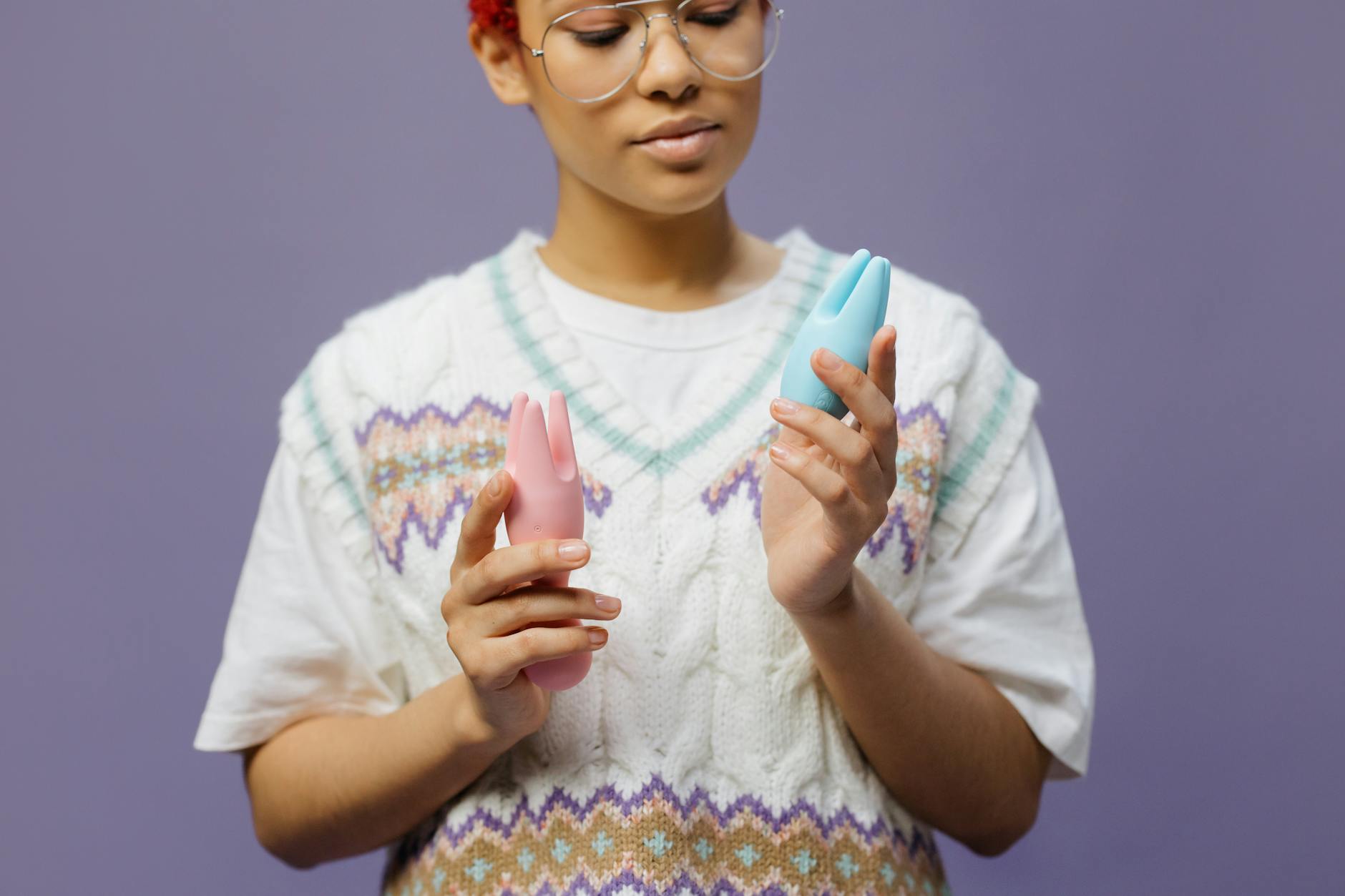
A lemon vibrator, or any dedicated clitoral vibrator, breaks that narrative pattern. Here's why it works when other approaches fail.
First: a vibrator has zero expectations. It doesn't need you to come quickly. It doesn't get bored or tired. It doesn't have an agenda about what your pleasure should look like. That sounds like a small thing. It's not. It's the difference between being observed and being alone with your own body.
Second: the sensation itself is so direct and consistent that it bypasses your overthinking brain. A lemon clitoral vibrator uses suction and vibration patterns that create a feedback loop with your body, not your mind. You can't really think your way out of it or into it. You can only feel.
Third: using a vibrator during partnered sex keeps your partner engaged while it keeps the pressure off you. Your partner isn't responsible for making you come. The device is. That psychological shift alone can unlock years of frozen sensation.
The practical setup that actually works
Here's how to use a lemon vibrator when partner pressure has colonized your nervous system.
Start solo first. Before you bring this into partnered sex, spend time alone with a lemon vibrator without any goal except noticing sensation. Not five minutes. Twenty or thirty. The point is to rebuild your nervous system's knowledge that pleasure doesn't have a finish line. On your own, there's no one to perform for. No one measuring whether you're close. That freedom is the template your nervous system needs to recognize again.
When you do introduce it to partnered sex, be explicit about the frame. "I want to use this so I can feel more," not "I'm using this because you can't make me come." The distinction matters because the first is true and empowering. The second is just blame repackaged.
Position matters too. If your partner is inside you and you're using a lemon vibrator on your clitoris, that's external stimulation during penetration, and it tends to work better than most people expect. If you're not penetrating at all, you and your partner can be side by side, face to face, touching each other while you use the vibrator. The contact is intimate but the focus is on sensation, not performance.
What to do when your partner feels threatened
Some partners worry that a vibrator means they're not enough. Some worry that if you come with a vibrator, that orgasm doesn't count or doesn't belong to them. This is a real conversation to have, and it's separate from the physical act.
Here's what I've seen work in practice: name the belief directly. "I notice you seem hesitant about the vibrator. What comes up for you?" Listen without defending. Then offer the truth. "This isn't about you not being enough. It's about me learning to feel again. You're invited to participate, but the pressure is off both of us."
That conversation is harder than using a clitoral vibrator, but it lasts longer. If your partner can't move past the threat narrative, that's worth exploring with a couples therapist. But many partners relax when they realize the vibrator isn't a replacement for them. It's a translator. It helps you find the language your body has been forgetting how to speak.
In fact, many couples find that introducing a lemon vibrator actually deepens partnered sex because the pressure finally lifts. You're not trying to perform anymore. You're discovering.
Rewiring what good sex actually means
After you start having orgasms again (because you probably will), your nervous system needs a new story about sex. The old one was: sex is when my partner comes and I either do or don't. The new one needs to be: sex is connection, exploration, sensation, and sometimes orgasm, and all of those things are separate from each other.
This doesn't happen in one session. It happens over weeks of practicing pleasure without performance. When you feel the old pressure starting to build again, you can use a lemon vibrator or you can pause and reconnect with your own body first. The tool isn't the point. The point is training your nervous system to recognize that your pleasure is not your partner's responsibility, and your partner's pleasure is not your job.
That's not selfish. That's actually how couples stay interested in each other. When you're both responsible for your own pleasure, you're both present. You're not managing each other's nervous systems. You're meeting each other.
When to call in more support
If you've been running on partner-focused pleasure for years, rewiring might involve more than a vibrator. If you notice yourself unable to feel sensation even with direct stimulation, or if numbness feels protective and you're not ready to let it go, talking with a therapist who understands sexual anxiety is worth the investment.
Likewise, if your partner's defensiveness about vibrators is really about deeper insecurities or control, a couples therapist can help navigate that faster than you can alone.
But for most couples, the shift is simple and quick: remove the performance, add a tool that has no stakes, and watch what happens. Your body remembers how to feel pleasure. It's been waiting for permission.
People also ask
Can I use a clitoral vibrator during partnered sex without it ruining the mood?
Yes, and in most cases it actually improves the mood because the pressure drops. Many partners find it sexy to watch their partner discover or rediscover sensation. The key is framing it as exploration, not as a problem to solve. If you introduce it casually and matter-of-factly, your partner is more likely to relax into it.
What if my partner thinks a lemon vibrator means they're not satisfying me?
This is about their nervous system, not yours. Have the conversation outside the bedroom. Be clear: "A vibrator isn't about what you're doing wrong. It's about me learning to feel more. You're welcome to participate." If they still feel threatened, that's worth exploring together with a therapist because it usually points to deeper insecurity that will show up in other areas of your relationship too.
How long does it take for the pressure to actually go away?
Days to weeks, depending on how long you've been managing your partner's pleasure. The first time you use a vibrator without your partner present and feel genuinely curious instead of performance-driven, you'll notice a shift. When you bring that shift into partnered sex, it compounds. Most people report a noticeable difference within 2-3 weeks of consistent solo exploration.
Is it normal to feel guilty when I orgasm with a vibrator?
Extremely normal. That guilt is usually a hangover from the narrative that your pleasure should be someone else's responsibility. Notice it, name it, and use it as data that you've been taught to make your body smaller. A clitoral vibrator can help you practice owning your own sensation without that guilt, especially in solo sessions where you can rewire the belief that pleasure is selfish.
Can using a lemon vibrator during sex actually bring my partner and me closer?
Absolutely. The most common outcome I see is that couples reconnect when the pressure drops. When you're not performing, you can actually pay attention to your partner. When your partner isn't trying to be your pleasure master, they can actually relax. A lemon vibrator removes the stakes, which is sometimes the only thing that opens the door back to genuine intimacy.
What if I still can't orgasm even with a vibrator?
That might be a signal that something deeper is happening. If the pressure was really severe, or if there's trauma involved, your nervous system might need more than a tool. That's when working with a therapist who understands sexual anxiety becomes valuable. A vibrator is a great facilitator, but it's not a replacement for processing why your body learned to shut down in the first place.
The shift
Orgasm pressure is real and it's relational. It lives in the space between your body and your partner's expectations. A lemon vibrator doesn't erase that pressure, but it does create a small pocket of space where your pleasure is yours alone. That pocket grows. Your partner notices. The whole system relaxes.
Your orgasm is not your partner's job. Your pleasure is not your partner's responsibility. The sooner both of you believe that, the sooner you both actually start having them again.