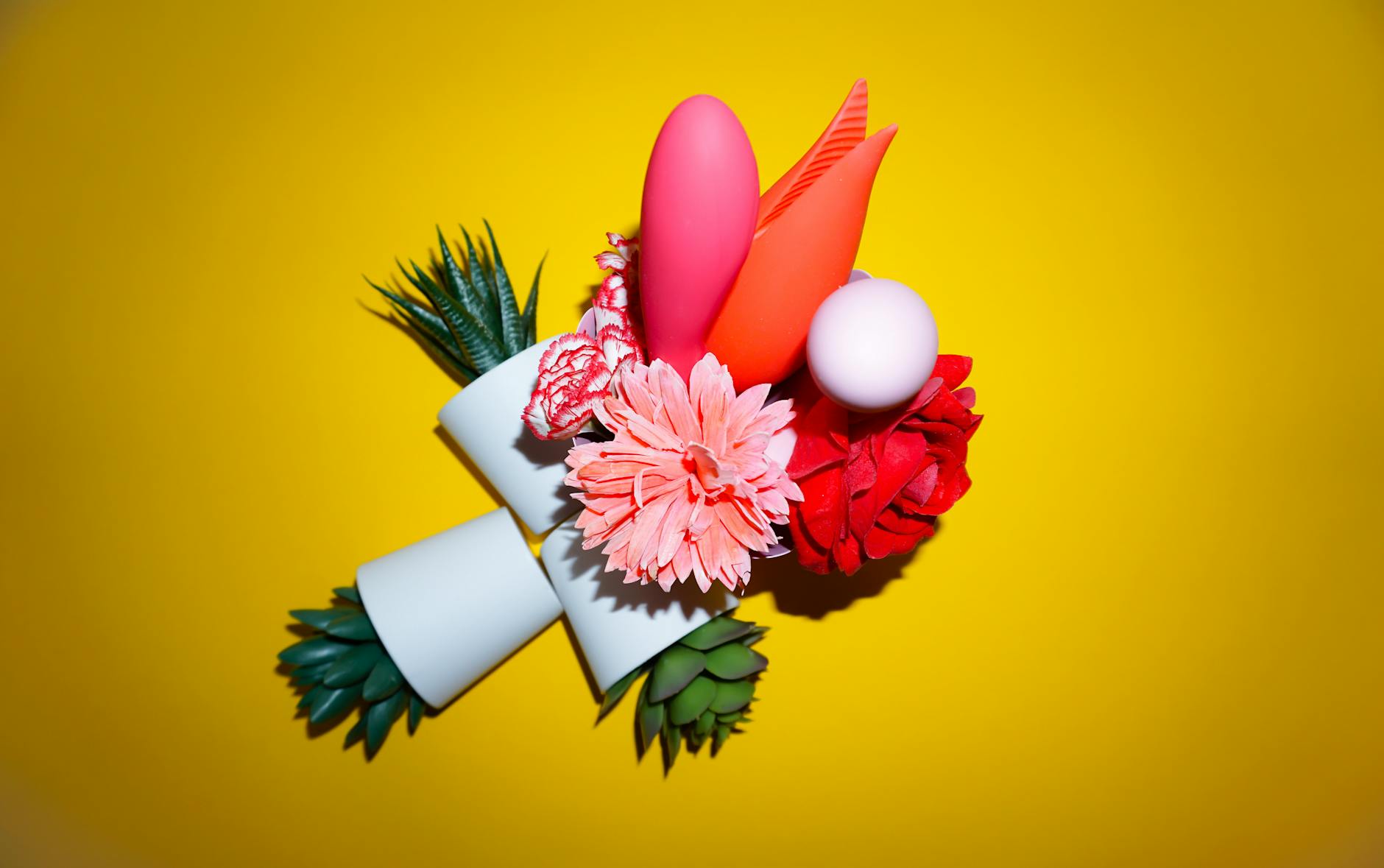
Here's what nobody tells you about anger and arousal
Your body isn't withholding desire to punish you. After an argument, your nervous system is in protection mode. The blood is redirected away from pleasure centers and toward survival circuits. Desire doesn't vanish because you're broken or unforgiving. It vanishes because your brain has decided that opening up is unsafe right now.
When conflict happens, pleasure feels like betrayal.
Why libido crashes after fighting
There are three neurological reasons your arousal dies after relationship conflict. First, cortisol and adrenaline are still circulating. These stress hormones literally suppress the signals that trigger desire. Your body is still in fight or flight. Pleasure requires the opposite state.
Second, there's a psychological barrier. You're protecting yourself. Vulnerability during sex is impossible when you're emotionally defended. Your partner might still feel unsafe, or you might feel unsafe with them. Desire can't coexist with that guardedness.
Third, there's a relational piece. After conflict, many couples avoid touch entirely or jump straight to sex as a repair mechanism. But rushing into physical intimacy before emotional safety returns is like trying to exercise on a broken leg. The body knows it.
The case for solo pleasure first
I want to be direct: using a lemon clitoral vibrator or any other toy alone after an argument isn't avoiding your partner. It's preparing yourself to reconnect with them.
Here's why solo pleasure works when partner sex doesn't. First, you remove the pressure to perform or reassure. Your body can explore sensation without needing to manage someone else's needs or insecurities. You're not navigating their hurt or your defensiveness. You're just you.
Second, you're recalibrating your nervous system. A lemon vibrator's suction stimulation activates parasympathetic activation. Your heart rate rises slightly, yes, but in a context you control. There's no threat. There's no judgment. Your brain learns that pleasure is available again.
Third, you're reconnecting with desire on your own terms. After conflict, desire often feels contaminated. Using a clitoral vibrator solo helps you separate the conflict from your capacity for pleasure. You're proving to yourself: my body is still mine. My pleasure still matters.
When to start solo play after fighting
Timing matters. Don't use a lemon vibrator immediately after an argument while you're still activated. You need at least 4 to 6 hours of separation. Your cortisol needs to drop. Your defensiveness needs to soften slightly.
That usually means waiting until evening, or the next morning. The time gap gives your nervous system permission to start downregulating. You're no longer in the thick of it.
When you do start, keep expectations low. You might not orgasm. Pleasure might feel mechanical at first. That's completely normal. You're not chasing climax. You're signaling to your body that intimacy is still available, even if things are complicated right now.
How to actually use a lemon vibrator after conflict
Start with the lowest setting. The Lem vibrator's pattern 1 or 2 is where you begin. Your nervous system is still sensitive to overstimulation. Gentle suction feels safer than intensity.
Focus on breathing first. Two minutes of slow breathing before you even touch yourself. This tells your parasympathetic nervous system to come online. You're signaling safety.
Then, use the vibrator without goal orientation. No thinking about orgasm. No trying to feel something you're not feeling. The goal is sensation awareness. What does suction feel like on tissue that's been emotionally guarded? Can you feel texture? Pressure?
Many people find that after conflict, extended foreplay with a clitoral vibrator actually feels better than arousal followed by rush to climax. Slow, sustained stimulation gives your body time to trust. It's proof that pleasure doesn't have to be fast or desperate.
If you find yourself getting activated by anger or sadness, stop. This isn't repression or avoidance. Emotions during masturbation are information. You might need more time. Or you might need a conversation with your partner first.
What happens next (rebuilding couple intimacy)
Using a lemon clitoral vibrator alone isn't the endpoint. It's a bridge back to your body so you can eventually bridge back to your partner.
After you've used solo pleasure to recalibrate, the next step is conversation. Not apology sex. Conversation. Your partner might not know that you're experiencing this neurobiological shutdown. They might think you're still angry or uninterested in them. Telling them, "My body shut down after we fought. I'm using this time to reconnect with myself. It's not about you," actually strengthens trust.
When you're both ready to be physical again, start with touch that isn't sexual. Hand holding. Shoulder massage. The goal is nervous system synchrony. You're proving to each other's bodies that safety has returned.
Then, if it feels right, introduce the lemon vibrator into partnered play. Many couples find that using a clitoral vibrator together after conflict actually deepens reconnection. You're both present for pleasure. There's no performance. Just two people saying, "I want us to feel good again."
Some people use the suction vibrator as foreplay. Others use it as the main event. The beauty of the Lem is that it's not intimidating for partners who are nervous about toys. It looks like a lemon. It feels clinical but intimate. It's low stakes.
The neuroscience of repair through pleasure
There's actual research on this. After conflict, couples who introduce pleasure back into their relationship faster have better outcomes. Not because sex heals all wounds (it doesn't), but because it signals to your nervous systems that you're still bonded.
Using a lemon vibrator solo is part of that repair architecture. You're not replacing your partner. You're preparing your body to be available for your partner again. There's a big difference.
Your nervous system needs evidence that safety has returned. Pleasure provides that evidence.
What if desire doesn't come back
If you're using a clitoral vibrator regularly but arousal still feels dead, that's information. It might mean the conflict was deeper than you realized. It might mean you need to address an ongoing pattern with your partner. Or it might mean you need individual therapy to process what the fight triggered.
Pleasure isn't always the answer. Sometimes your body is protecting you for good reason.
But most of the time, when couples reintroduce play after conflict, desire does return. It just needs time and a context that feels safe. A lemon sucker isn't magic. But it is permission. Permission to feel good when things are complicated. Permission to know that your body still belongs to you, even when your relationship feels fractured.
Pleasure after conflict isn't selfish. It's how you rebuild trust with yourself so you can eventually rebuild it with your partner.
FAQ
Why does libido disappear completely after a big argument?
Conflict activates your fight or flight response. Stress hormones like cortisol spike, and blood flow redirects away from pleasure centers toward survival systems. Your vagus nerve, which controls parasympathetic (rest and digest) responses, downregulates. Your body is literally in protection mode. Desire can't exist in that state. It usually takes several hours to a full day for your nervous system to recalibrate enough for arousal to return, even if you've verbally made up.
Is using a lemon vibrator alone cheating if I'm in a relationship?
No. Solo play is self-care, not infidelity. After conflict, sometimes you need to reconnect with your own body before you can reconnect with your partner. Using a clitoral vibrator alone gives you permission to feel pleasure independent of the relationship stress. Many therapists, including myself, recommend it as part of relationship repair. Your partner might even feel relieved that you're taking responsibility for your own pleasure instead of expecting them to fix it.
How long should I wait to have sex with my partner after a big fight?
It depends on the severity and your attachment style. For minor disagreements, 24 hours often works. For bigger conflicts, 48 hours is safer. Your body needs time for cortisol to drop and defensiveness to soften. Rushing into sex before emotional safety returns often leads to performance anxiety or resentment. Using a lemon vibrator solo during that waiting period actually speeds up the nervous system reset, making couple intimacy easier when you're ready.
What if my partner doesn't want me using toys after we fight?
That's worth exploring. Some partners feel threatened by solo play after conflict because they misinterpret it as rejection. A conversation might help: explain that you're not choosing the toy over them, but using it to prepare your body for reconnection. You might also ask why they feel uncomfortable. Is it about feeling replaced? About shame around toys? Those conversations often lead to deeper understanding. If the discomfort persists and isn't rooted in reasonable boundaries, that's a sign you might benefit from couples therapy.
Can a lemon sucker help with touch aversion after fighting?
Yes, actually. After conflict, many people experience touch aversion where partner contact feels overstimulating or unsafe. Using a lemon vibrator solo lets you control intensity and pacing. You're not managing someone else's needs or navigating their hurt. This helps your body remember that touch is safe. Then, when you reintroduce partner contact, it feels less triggering because you've already proven to yourself that pleasure is available again.
Should we use the vibrator during reconnection sex or keep it separate?
Both work. Some couples feel more connected using a clitoral vibrator together as part of reconnection because it's collaborative and low pressure. Others prefer to keep solo play separate from couple intimacy. There's no rule. What matters is that you both feel comfortable. If using a lemon vibrator together feels playful and safe, it can actually deepen intimacy after conflict. If it feels awkward, save it for solo time.
The bottom line
Libido doesn't crash because you're broken or because the relationship is doomed. It crashes because your nervous system prioritized protection. Using a lemon clitoral vibrator alone after conflict isn't avoidance. It's how you signal to your body that safety and pleasure are returning. It's how you reconnect with yourself so you can eventually reconnect with your partner. Your pleasure matters, even when things are complicated.