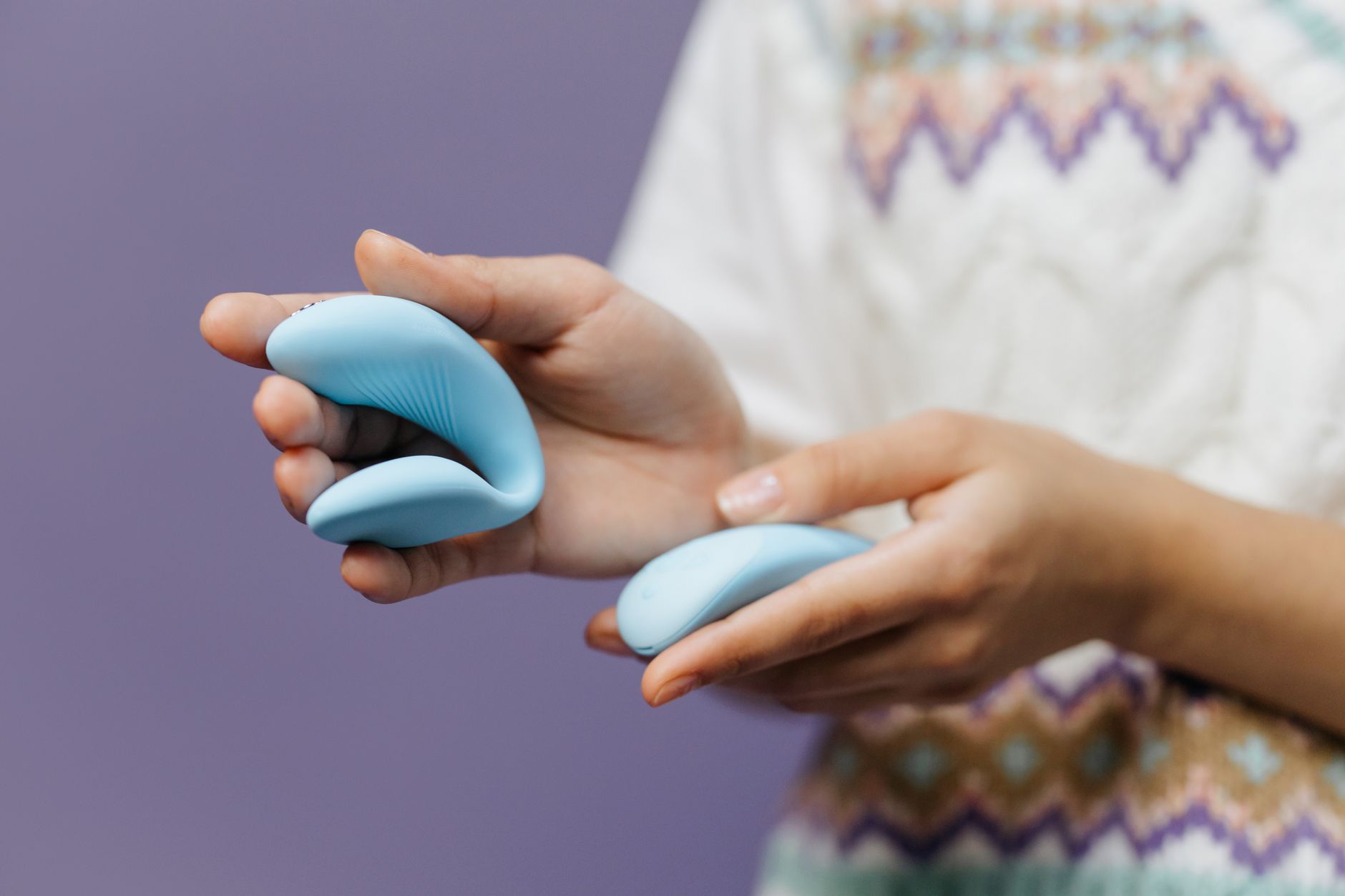
How to Use a Lemon Vibrator When Anxiety Stops You From Asking for What You Want
Here's the thing: anxiety doesn't just make you nervous. It also makes you small. It makes you default to what's safe, what won't rock the boat, what won't require you to name the thing you actually want out loud. And in a partnership, that silence has a cost.
Most people I work with know exactly what they'd enjoy. They just can't say it. That gap between knowing and asking is where pleasure dies quietly, without drama, just... erosion.
A lemon vibrator changes that dynamic in ways that have nothing to do with the vibration itself.
Why anxiety kills communication in the first place
Anxiety isn't a character flaw. It's a protective reflex. Your brain learned that asking for things made you vulnerable to rejection, judgment, or abandonment. So it built a wall: don't ask, don't risk, don't name it. You stay safe because safety feels better than the alternative.
But here's what safety costs you. When you don't say what you want, your partner has to guess. Guessing leads to misalignment. Misalignment leads to resentment. Resentment turns into "we just don't click anymore," when really you never gave them the map.
The other thing anxiety does is make you hyper-attuned to your partner's experience at the expense of your own. You're tracking their facial expression, their breathing, whether they're enjoying it. You're performing pleasure instead of feeling it. A lemon clitoral vibrator interrupts that loop because it gives you something you can control that has nothing to do with monitoring someone else.
Solo use as a practice run for asking
Before you name anything to a partner, you have to name it to yourself. And anxiety makes that hard too. You might feel silly, or selfish, or like you're being unfaithful to an idea of what sex is supposed to be.
Using a Hello Nancy Lemons product alone gives you space to figure out what you actually like without an audience. That matters. When you spend time exploring clitoral vibrators on your own, you're not performing. You're not managing anyone else's reaction. You're just finding out: what pattern feels good? What rhythm makes me tense up? When do I want lighter, when do I want more intensity? Where on my body does this work best?
That information is gold. Because once you know it, you can say it.
Start small. Try the lemon vibrator solo for five minutes. Don't make it a production. Just notice what happens. Anxiety will probably show up. It'll tell you you're being weird, or that you should be doing something more efficient. Notice that thought and do it anyway. That's the practice.
Translating solo exploration into partnered communication
This is where most people get stuck. They figure out what they want, but they still can't ask for it. The anxiety rebounds.
Here's what works: make the vibrator part of the conversation before it's part of the sex. Don't spring it on them mid-intimacy. Instead, pick a moment when you're both calm and clothed. Say something like: "I've been exploring on my own, and I found that I really enjoy this. I'd like to try it with you sometime. What do you think?"
Notice what's in that sentence. It's not a question about whether they'll judge you. It's not asking permission. It's naming what you want and inviting them into it. There's a difference.
If anxiety is screaming that they'll say no, or laugh, or leave: that's anxiety talking. Most partners want to know what their partner enjoys. Most partners want the sex to feel good for both of you. If yours doesn't, that's information, but it's not a reason to stay silent. It's a reason to have a harder conversation.
Using the lemon vibrator to shift the power dynamic
When you bring a clitoral vibrator into partnered sex, something shifts. Suddenly you have something to focus on besides managing their experience. Suddenly you're not performing for them. You're exploring with them.
Some people find that external stimulation during partnered sex actually brings them closer because they're both present in the moment instead of one person checking out to manage the other's feelings. It can feel collaborative instead of transactional.
The lem vibrator in particular works well for this because the suction pattern doesn't require the same mental overhead as traditional vibration. You can relax into it instead of thinking about it. That opens up mental and emotional space for connection.
Let anxiety have its voice, but don't let it drive. You get to ask for what you want. Your pleasure is not selfish. Your boundaries are not betrayal. And a partner who makes you feel otherwise is showing you something important about whether this relationship is safe for you to be honest in.
The longer conversation underneath
Sometimes anxiety about asking for what you want isn't just about sex. It's about a pattern in your relationship. You've learned that your needs don't matter as much as keeping the peace. You've learned that speaking up costs you something.
If that's true for you, the lemon vibrator won't solve that. But it can be the first brick you remove from that wall. Using one solo is an act of reclaiming your own pleasure as valid. Asking to use one partnered is an act of naming what you want out loud. Both are practice for bigger conversations about what you actually need from this partnership.
Anxiety thrives in silence. It gets fed by shame and reinforced by avoidance. The antidote is telling the truth, even when it's uncomfortable. Start small. Start solo. Let yourself like what you like without justifying it.
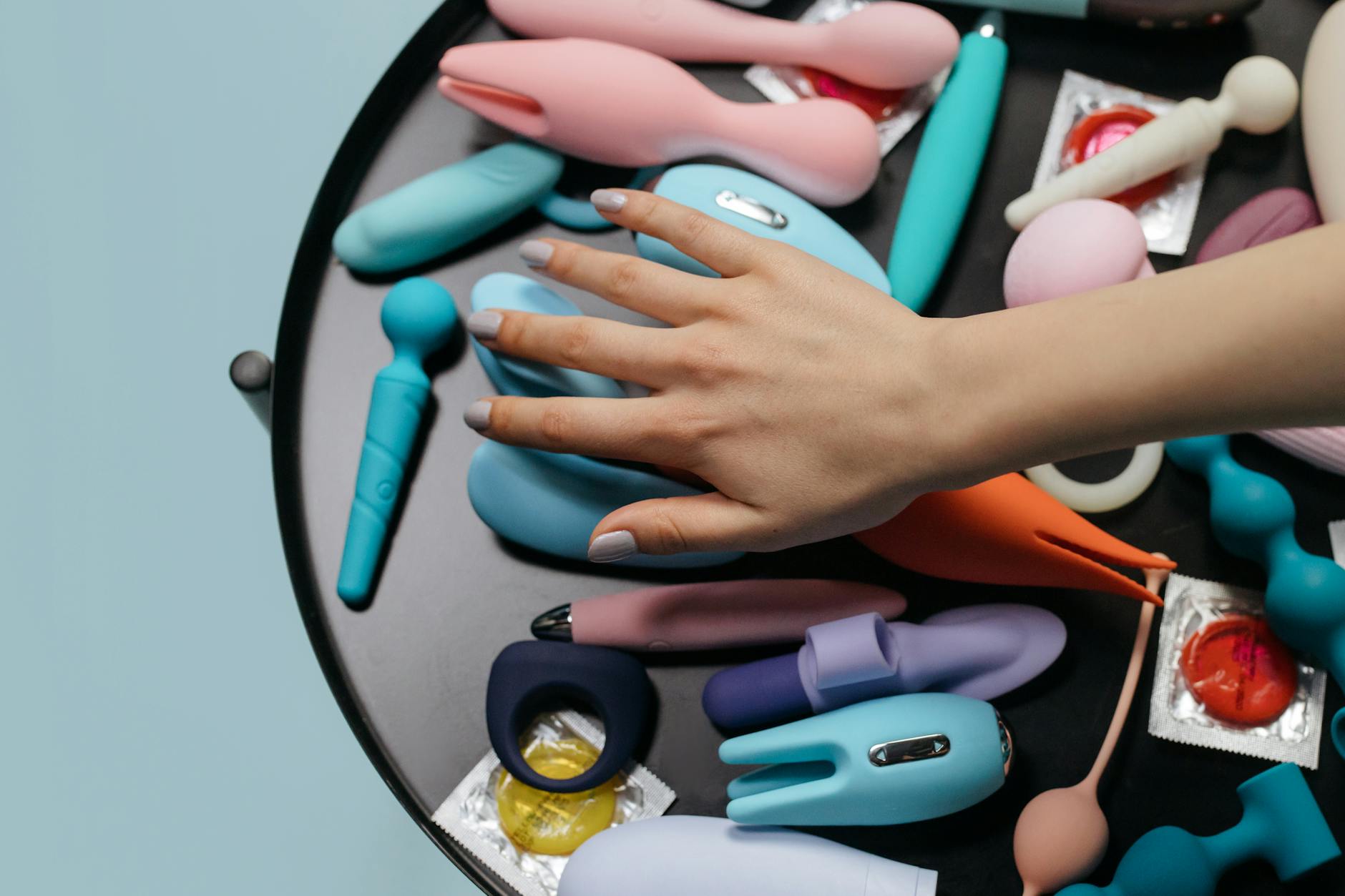
Photo by cottonbro studio on Pexels
When to loop in a therapist
If anxiety is preventing you from asking for things beyond sex, it's worth talking to someone. Not because you're broken, but because you deserve to live without that much protective armor. A marriage and family therapist can help you figure out where the anxiety came from, what it's protecting you from, and how to build a different relationship with asking.
That conversation often extends into the bedroom naturally. When you practice asking for what you want in therapy, you start asking in your relationship. When you practice being heard, you expect it everywhere.
A lemon clitoral vibrator is a tool. But naming what you want and asking for it? That's the real work.
FAQ: Anxiety, vibrators, and communication
How do I know if my anxiety about asking is normal or a sign my relationship isn't safe?
Normal anxiety feels uncomfortable but you can push through it. Unsafe feels like you're risking something real. If you've asked for small things before and been punished (verbally, emotionally, or physically), that's not anxiety. That's a legitimate threat. If you're afraid of something specific and concrete, listen to that. If you're afraid of the abstract concept of being judged, that's more likely anxiety you can work with.
Can using a lemon vibrator make my partner feel threatened?
Some partners will. Usually it's because they've connected vibrators to something in their own story. The key is naming it before it becomes a problem. Say something like: "I want to explore this for my own pleasure, not because anything's missing between us." If they're still threatened after you've explained calmly, that tells you something about their own insecurity. That's not your job to manage, but it might be worth addressing together in a broader conversation.
What if I can't even use a lemon vibrator solo because anxiety shuts me down?
Start smaller. Maybe just holding it. Maybe using it on a non-intimate part of your body first. Maybe reading erotica for five minutes before you try it. You're rewiring a nervous system that's learned to protect you through avoidance. That takes time. If the anxiety is severe, it's worth talking to a therapist. They can help you build tolerance for discomfort gradually.
How do I ask my partner about using a clitoral vibrator without seeming like I'm criticizing their performance?
Frame it as exploration, not correction. "I want to try this for me, not because anything's missing." The lemon vibrator isn't a replacement for your partner. It's an addition. Most partners understand that when you explain it that way. If they don't, you might need to understand why their ego is more important than your pleasure.
Is it selfish to prioritize my own pleasure in the relationship?
No. Completely not. You know what's actually selfish? Expecting your partner to read your mind and guess what you want. That's placing the entire burden on them. When you know what you want and ask for it, you're giving them real information. You're making partnership possible. That's generosity, not selfishness.
What if I use a lemon vibrator alone and realize I want something my partner can't or won't give me?
That's important information. You have options. You can ask your partner to try something different. You can negotiate a compromise. You can accept the limitation. Or you can decide the limitation matters too much. But you can't make that decision if you don't know what you want. Using a lemon clitoral vibrator gives you that clarity. What you do with it is up to you.
The soft close
Anxiety is a liar. It tells you that wanting things makes you difficult. That asking is selfish. That your pleasure is less important than keeping the peace. None of that is true.
A Hello Nancy Lemons product can't cure anxiety, but it can interrupt the pattern. It can be the moment you decide your pleasure matters enough to explore. It can be the practice you need before you say the thing out loud to your partner.
If you're ready to start that conversation, we're here. Reach out to us if you have questions about products, or if you want to talk through how to bring this up with someone you trust.