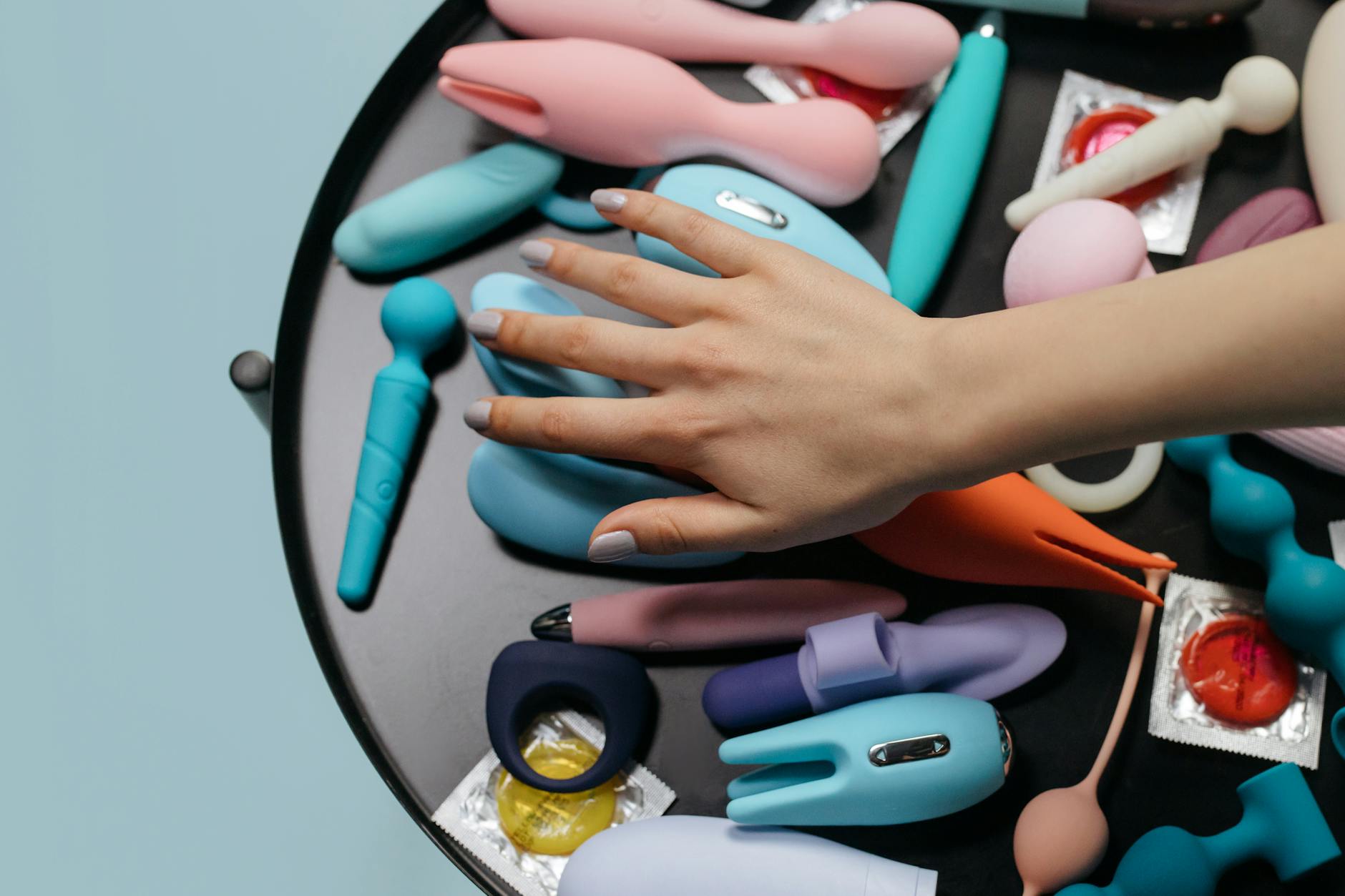
Here's the thing about vibrators and couples
Most couples buy a traditional vibrator thinking all vibrators work the same way. They don't. The difference between a standard vibrator and a lemon sucker isn't just ergonomic. It fundamentally changes how the body responds, how partners can participate, and honestly, whether you'll actually use the thing six months from now.
I'm going to walk you through the real differences and why this matters more than you'd think.
The physics: vibration versus suction
Traditional vibrators create rapid back-and-forth movement against tissue. Think of it like a paintbrush with electrical current. The stimulation is consistent and wide, touching a larger surface area at high frequency. This works, absolutely. Millions of people orgasm from vibrators every day.
Lemon vibrators work differently. They use air-suction technology, which creates a gentle rhythmic pulse. Instead of friction moving across tissue, suction draws the clitoris lightly into a small chamber. The sensation is concentrated rather than diffuse. It feels more like a mouth than a vibrator, which honestly sounds gimmicky until you experience it.
Here's what matters: vibration can overstimulate the clitoris quickly, especially in partnered scenarios where one person is managing intensity while the other is trying to stay present. Suction builds sensation gradually, which gives both partners time to sync.
Why couples get stuck with the wrong toy
In most relationships, one person does the research and picks the vibrator. Often it's the lower-desire partner trying to "fix" things, or the higher-desire partner looking for a quick solution. Either way, you end up with a device that works for solo play but doesn't integrate into partnered pleasure.
Traditional vibrators require a specific angle and consistent pressure. If your partner is inside you or beside you, managing that angle gets awkward fast. The vibration also has an intensity floor. Even on the lowest setting, it's strong enough that it can numb sensation instead of building it. After 10 minutes, you're either over-stimulated or numb, and neither of you is having a great time.
Lemon clitoral vibrators solve this because suction is gentler to start. Your partner can apply it, remove it, apply it differently, change the pattern without you losing sensation. It's more collaborative.
What happens when partners use traditional vibrators together
I see this pattern a lot in my practice: one partner says yes to the vibrator but not enthusiastically. They like the outcome. They don't like the process. Why? Because traditional vibrators demand stillness. Your partner holds it in place while you lie back. It's passive for the receiving partner and often boring for the partner holding it.
The ritual matters in long-term partnerships. If using a toy feels like one person working on the other person like a task, it disconnects rather than connects. Traditional vibrators often create that dynamic because they're designed for solo use first, couples use second.
When couples switch to a lemon sucker, the experience shifts. It's easier to hold. It's easier to move. Both partners can adjust it mid-session. Your partner can use it for 30 seconds, then switch to touch, then back to the toy. That variation keeps both people engaged.
The sensation difference partners notice immediately
Let me be direct: traditional vibrators can feel one-note. Even good ones. The stimulation is steady. After a while, your nervous system adapts and you need more intensity to feel the same thing. This is called habituation. By contrast, suction has a pulsing quality that prevents habituation because the sensation changes in micro-ways as the tool adjusts to your body.
Partners also notice they can feel different patterns differently. One setting on a traditional vibrator is pretty much one sensation. Lemon vibrators have distinct patterns. Some partners find that switching patterns mid-session actually resets sensitivity and makes it easier to reach orgasm.
The speed of orgasm also changes. With traditional vibrators, people often go from arousal to orgasm quickly because the intensity is high and constant. That's fine solo. With a partner, fast climax can sometimes cut the session short when both people want more foreplay. Lemon suction allows for longer buildup, which gives couples more time together.
Noise, comfort, and the stuff nobody talks about
Traditional vibrators are loud. We don't talk about this enough, but vibration creates mechanical noise that travels through your pelvic floor and up your spine. Your partner can hear it. You can hear it. If you live with roommates or kids, you're managing anxiety the whole time.
Lemon vibrators are quieter because suction is mechanical, not oscillating. This sounds trivial until you realize that anxiety about noise actively suppresses arousal. Removing that barrier changes everything.
There's also the pressure thing. Traditional vibrators press against you. Lemon suckers create suction, which pulls slightly. For people with sensitive or tender tissue, or for partners who want to use a toy during intercourse, this is actually more comfortable. You're not sandwiched between your partner's body and a buzzing toy. The sensation is contained.
When both partners want to participate
One huge advantage of lemon clitoral vibrators for couples: your partner can actually feel what you're feeling. Because suction works through gentle pressure and rhythm instead of vibration, your partner can adjust based on your body's response. They can feel when you tense up, when you relax, when you're close. It's feedback-based rather than mechanical.
This matters enormously for couples rebuilding intimacy. If you've been in a long relationship or recovering from conflict, that nonverbal connection is everything. With traditional vibrators, you're sort of on your own with sensation. With a lemon sucker, your partner is adjusting in real time. It's collaborative.
Price and durability: the practical bit
Lemon vibrators from Hello Nancy cost around $89, which is in the mid-to-upper range for toys. Traditional vibrators range from $30 to $150. The price difference isn't huge, but here's what matters: lemon suckers last longer because they're not relying on sustained motor performance.
Traditional vibrators burn out. Motors fatigue. After two years of regular use, they either get weaker or they stop. Suction-based toys degrade much more slowly because they're doing less mechanical work. So you're actually spending less over time if you use it regularly.
The real reason couples choose lemon vibrators
When I ask couples why they switched from traditional vibrators to lemon suckers, the answers are consistent: "It feels like actual pleasure, not a machine. We can use it together without it feeling awkward. We actually both want to reach for it."
That last part matters most. Couples who genuinely enjoy using a toy together are couples who use it. Couples who tolerate a toy use it as a workaround. That's the core difference. Lemon clitoral vibrators integrate into partnered pleasure instead of replacing it.
Moving forward with your choice
If you and your partner are thinking about bringing a toy into your dynamic, the decision isn't just about function. It's about whether the tool brings you closer or creates distance. Whether it makes pleasure feel like collaboration or like one person managing the other.
Before you buy, talk to your partner about what you both want from a toy. Are you looking for faster orgasm, or longer foreplay? Do you want the toy to replace penetration sometimes, or enhance it? Should your partner control it, or do you? These conversations matter more than the specs.
Once you've talked about intent, lemon vibrators tend to deliver. They're gentler to start, easier to adjust, quieter, and more collaborative. They also prevent the one-note habituation that ends up killing interest in traditional vibrators.
Your pleasure as a couple deserves a tool designed for both of you, not just one person. That's the real advantage here.
People also ask
Can you use a lemon vibrator during penetration with a partner?
Yes, and it's one of the main reasons couples prefer them. Because suction is gentler and doesn't transmit vibration through the entire pelvic area, you can use a lemon sucker during intercourse without it feeling overstimulating or uncomfortable for the penetrating partner. The sensation stays localized. Start with lower intensity patterns and communicate about pressure. Many couples find this actually extends the session because you can build intensity more gradually.
Are lemon suction vibrators better for people with sensitivity issues?
Often, yes. If you've experienced numbness from traditional vibrators, or if you have pain with intense stimulation, suction can feel more manageable. Because it builds sensation differently, it doesn't create the same habituation effect. That said, everyone's body is different. If you have concerns about sensitivity or pain, look at our piece on how lemon vibrators help when clitoral numbness affects arousal, or check in with a pelvic health specialist.
Do both partners need to enjoy toys for this to work?
Not necessarily. But couples do better when both people see the toy as a positive addition, not a compromise. If one partner is resistant, the resistance usually isn't about the toy itself. It's about vulnerability, feeling inadequate, or past shame. Talking through those feelings before buying anything makes a massive difference. Some couples use a toy as a bridge to deeper conversations about pleasure.
How loud are lemon vibrators compared to traditional vibrators?
Significantly quieter. Traditional vibrators can be 70-80 decibels, which is about the noise level of a vacuum. Lemon suckers are usually 40-50 decibels, closer to normal conversation. This isn't trivial. Noise anxiety actively suppresses arousal, so the quieter operation actually makes orgasm easier for many people.
Can you use the same lemon vibrator solo and with a partner?
Completely. Most couples buy one device and use it both ways. Solo it gives you precise control. With a partner, they can hold it or guide it while you focus on sensation. It's actually more versatile than a traditional vibrator because it works well in both scenarios instead of being optimized for one.
What if we've never used any toy before?
Start by talking about it without pressure. Some couples benefit from reading together about pleasure, others just need to have an honest conversation about curiosity. If you do want to try a lemon vibrator, lower-intensity patterns on your first few sessions help you both get comfortable. Let your body teach you how to use it rather than forcing a specific technique.
Final thought
Couples who use toys together report higher satisfaction not because the toy is magic, but because they're communicating about pleasure and trying things together. A lemon vibrator from Hello Nancy just makes that easier because the design itself invites collaboration. Your pleasure matters, and your partnership deserves a tool that honors both.